
Pregnancy brings many changes to your body, and vaginal discharge is one of them. While clear or milky-white discharge is commonly expected during pregnancy, noticing brown discharge during pregnancy can understandably make you worried.
You may immediately wonder:
“Is brown discharge normal during pregnancy?”
“Could it be a sign of miscarriage?”
“Why am I having brown spotting?”
“Should I contact my doctor?”
Brown discharge often means that a small amount of older blood has taken longer to leave the body and has mixed with vaginal discharge. In some situations, it can be harmless, particularly when it is light, brief, and not accompanied by pain or other concerning symptoms. However, bleeding during pregnancy can sometimes be associated with complications, so it should not automatically be dismissed.
The cause can depend on how far along you are, how much discharge you have, its appearance, and whether you have symptoms such as abdominal pain, cramping, fever, or dizziness.
This guide explains the common causes of brown discharge during pregnancy, what it can mean during different stages of pregnancy, and when you should seek medical attention.
Important: Brown discharge during pregnancy cannot be diagnosed from appearance alone. If you are concerned about any bleeding or discharge, especially if it is persistent or accompanied by pain, contact your gynecologist.
What is Brown Discharge During Pregnancy?
Brown discharge is vaginal discharge that has a brown, dark brown, or coffee-colored appearance.
The brown color commonly occurs when blood mixes with vaginal discharge and takes time to leave the body. As blood is exposed to oxygen, it can change from bright red to darker brown.
Brown discharge may appear as:
- A few brown spots on underwear
- Light brown discharge when wiping
- Dark brown mucus
- Brown discharge mixed with clear or white discharge
- Brown spotting that lasts for a short time
The amount and duration can vary.
Although brown discharge can have harmless causes, bleeding during pregnancy should be discussed with a healthcare professional when the cause is unclear.
Is Brown Discharge Normal During Pregnancy?
Sometimes, but it should not automatically be considered normal.
Light brown spotting can occur during pregnancy for several reasons, including old blood, cervical irritation, or changes around the cervix. Some women may notice a small amount of spotting after sexual intercourse or a pelvic examination because the cervix becomes more sensitive during pregnancy.
However, brown discharge can also occur alongside conditions that require medical evaluation.
The most important factors are:
- How much discharge or bleeding is present
- Whether it is becoming heavier
- How long it lasts
- Whether you have abdominal or pelvic pain
- Whether you have dizziness, fainting, fever, or other symptoms
- How many weeks pregnant you a
If you are unsure about the cause, it is safest to speak with your doctor.
Why Does Brown Discharge Happen During Pregnancy?
There are several possible reasons for brown discharge during pregnancy.
Old Blood Leaving the Body
This is one of the common explanations for brown discharge.
Blood that takes longer to leave the uterus or vagina can become darker as it is exposed to oxygen. It may appear brown rather than bright red.
A small amount of old blood may appear as light brown spotting or discharge.
Implantation Bleeding
Implantation occurs when the developing embryo attaches to the lining of the uterus.
Some women experience light spotting around the time implantation occurs. This may appear pink or brown and is generally lighter than a normal menstrual period.
However, implantation bleeding occurs very early, around the time a period may be expected, and not every pregnancy involves implantation bleeding.
Brown discharge later in pregnancy should not automatically be attributed to implantation.
Hormonal Changes During Pregnancy
Pregnancy causes significant hormonal changes that affect the reproductive system.
These changes can make the cervix more sensitive and increase vaginal blood flow. Minor irritation can sometimes result in light spotting.
Cervical Changes During Pregnancy
The cervix becomes more sensitive and has increased blood flow during pregnancy.
Because of this, minor irritation may cause light spotting or brown discharge.
- This can sometimes happen after:
- Sexual intercourse
- A pelvic examination
- Certain vaginal procedures
If spotting continues or becomes heavier, contact your healthcare provider.
After Sexual Intercourse
Sexual intercourse can sometimes cause light spotting during pregnancy because the cervix is more sensitive.
The spotting may appear pink or brown afterward.
If you repeatedly experience bleeding after intercourse, discuss it with your gynecologist.
After a Pelvic Examination
A pelvic examination or certain vaginal procedures can occasionally cause minor cervical irritation and spotting.
If you notice a small amount of brown discharge after an examination, inform your healthcare provider, particularly if it persists or becomes heavier.
Vaginal Infections
Some vaginal infections can cause unusual discharge and spotting.
An infection may also cause:
- Unpleasant odor
- Itching
- Burning
- Pain during urination
- Pelvic discomfort
- Yellow, green, or gray discharge
If brown discharge occurs with these symptoms, consult your doctor for proper diagnosis and treatment.
Pregnancy-Related Complications
Although brown discharge can sometimes be harmless, bleeding during pregnancy can also occur with certain pregnancy complications.
Depending on the stage of pregnancy, possibilities can include:
- Miscarriage
- Ectopic pregnancy
- Subchorionic hematoma
- Placental problems
- Other causes of vaginal bleeding
This is why persistent or concerning bleeding should be medically evaluated rather than diagnosed at home.
Types of Brown Discharge During Pregnancy
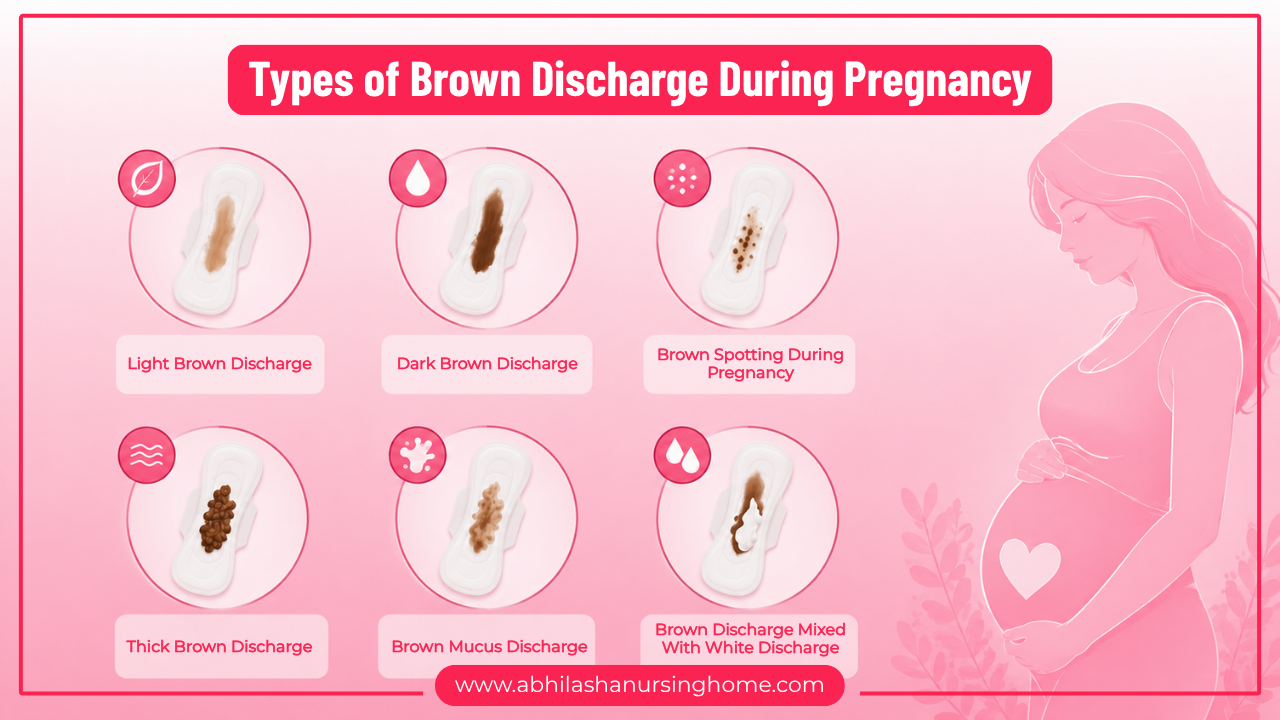
The appearance of brown discharge can vary.
Light Brown Discharge
Light brown discharge may indicate a small amount of older blood mixed with vaginal fluid.
If it is brief and occurs without pain, it may have a minor cause, but pregnancy-related bleeding should still be discussed with your healthcare provider if you are concerned.
Dark Brown Discharge
Dark brown discharge generally indicates older blood.
The color itself does not tell you whether the cause is harmless or serious. Other symptoms and the stage of pregnancy matter.
Brown Spotting During Pregnancy
Brown spotting means a small amount of brown-colored blood or discharge is present.
Spotting can occur for several reasons, including cervical irritation and other pregnancy-related causes.
Thick Brown Discharge
Brown discharge may sometimes have a thicker or mucus-like consistency.
The texture alone cannot determine the cause. If it is accompanied by pain, foul odor, fever, or significant bleeding, seek medical advice.
Brown Mucus Discharge
Brown mucus can occur when old blood mixes with cervical mucus.
Later in pregnancy, mucus mixed with blood can sometimes be associated with changes in the cervix as labor approaches, but it does not necessarily mean labor is about to begin.
Brown Discharge Mixed With White Discharge
Brown discharge may mix with normal white or clear vaginal discharge.
If the discharge does not have a foul odor and is not associated with itching or burning, infection may be less likely, but only a healthcare professional can determine the cause when symptoms persist.
Brown Discharge During Early Pregnancy
Brown Discharge Before a Missed Period:
Brown discharge before a missed period may sometimes occur around implantation. However, it can also be related to the menstrual cycle or other causes.
If you suspect pregnancy, take a pregnancy test at the appropriate time.
Brown Discharge After a Positive Pregnancy Test:
Brown discharge after a positive pregnancy test can have several causes.
A small amount of spotting does not always mean something is wrong, but any bleeding during pregnancy should be discussed with your healthcare provider, particularly if it continues or is accompanied by pain.
Brown Discharge at 4 Weeks Pregnant
At around four weeks, pregnancy is still in its early stages. Light spotting can occur for several reasons, including implantation-related bleeding or cervical changes.
If you have heavy bleeding, severe abdominal pain, or dizziness, seek urgent medical attention.
Brown Discharge at 5 Weeks Pregnant
At five weeks, pregnancy hormones are rising and the pregnancy is developing rapidly.
Light brown spotting can occur, but it is important not to assume that every instance is harmless. Your doctor may recommend an examination, blood tests, or ultrasound depending on your symptoms and gestational age.
Brown Discharge at 6 Weeks Pregnant
At six weeks, brown discharge may still have several possible causes. If it is persistent, increasing, or associated with pain, your healthcare provider should assess it.
Severe one-sided abdominal pain, fainting, or significant bleeding requires urgent medical evaluation because ectopic pregnancy is one condition that doctors may need to rule out in early pregnancy.
Brown Discharge During Pregnancy by Trimester
Brown Discharge in the First Trimester
Light spotting can occur during the first trimester and may have several causes.
Possible causes include:
- Implantation-related spotting
- Cervical irritation
- Hormonal changes
- Vaginal infection
- Subchorionic hematoma
- Miscarriage
- Ectopic pregnancy
Because the first trimester includes important early pregnancy changes, persistent or concerning bleeding should be evaluated.
Brown Discharge in the Second Trimester
Brown discharge in the second trimester can result from cervical irritation or other causes, but it should not automatically be assumed to be harmless.
Contact your doctor if the discharge continues, becomes heavier, or is accompanied by pain, contractions, fluid leakage, or other symptoms.
Brown Discharge in the Third Trimester
In later pregnancy, brown or blood-tinged mucus can sometimes occur as the cervix begins changing before labor.
However, bleeding in the third trimester can also be associated with placental or other pregnancy-related problems.
Any significant bleeding in late pregnancy requires prompt medical assessment.
Brown Discharge and Other Pregnancy Symptoms
Brown Discharge With Mild Cramping
Mild cramping can occur for several reasons during pregnancy. However, brown discharge combined with persistent or worsening cramping should be discussed with your doctor.
Brown Discharge With Back Pain
Back discomfort can be common during pregnancy, but brown discharge combined with significant back pain may require evaluation, particularly later in pregnancy.
Brown Discharge With Abdominal Pain
Abdominal pain with bleeding can sometimes indicate a pregnancy complication.
Severe or one-sided abdominal pain with bleeding requires prompt medical attention.
Brown Discharge Without Pain
Brown discharge without pain can occur with minor causes such as old blood or cervical irritation.
However, the absence of pain does not guarantee that the cause is harmless. Persistent or unexplained discharge should still be discussed with your healthcare provider.
Brown Discharge With Pregnancy Symptoms
You may have brown discharge along with normal pregnancy symptoms such as:
- Breast tenderness
- Nausea
- Fatigue
- Increased urination
- Mild bloating
These symptoms do not determine the cause of bleeding. Your doctor can assess your symptoms together with your pregnancy stage.
Common Causes of Brown Discharge During Pregnancy
Implantation Bleeding
Light spotting around the time of implantation can appear pink or brown. It is generally small in amount and short-lived.
Cervical Irritation
A sensitive cervix can bleed slightly after intercourse, an examination, or other irritation.
Subchorionic Hematoma
A subchorionic hematoma occurs when blood collects between the pregnancy membranes and the uterine wall. It can cause spotting or bleeding and may be identified during an ultrasound.
Vaginal Infection
Certain infections can cause unusual discharge, irritation, and sometimes spotting. Diagnosis requires appropriate medical evaluation.
Miscarriage
Bleeding during pregnancy can sometimes be a sign of miscarriage, particularly when accompanied by cramping, abdominal pain, or passing tissue. However, brown discharge alone does not mean that a miscarriage is occurring.
Ectopic Pregnancy
An ectopic pregnancy occurs when a pregnancy develops outside the uterus, most commonly in a fallopian tube.
- Possible warning signs include:
- Abdominal or pelvic pain
- One-sided pain
- Vaginal bleeding or spotting
- Dizziness
- Fainting
- Shoulder-tip pain
An ectopic pregnancy can be life-threatening and requires urgent medical attention.
Placental Problems
Later in pregnancy, bleeding can sometimes be associated with placental conditions.
Any significant bleeding during the second or third trimester should be evaluated promptly.
How Long Does Brown Discharge Last During Pregnancy?
There is no fixed duration for brown discharge because it depends on the underlying cause.
A small amount of spotting may resolve quickly, while discharge related to another condition may continue.
If brown discharge:
- Persists
- Becomes heavier
- Changes to bright-red bleeding
- Occurs repeatedly
- Is accompanied by pain or other symptoms
contact your healthcare provider.
What Does Brown Discharge Mean During Pregnancy?
Brown discharge usually indicates the presence of older blood, but the reason for that bleeding can vary.
It may occur because of minor cervical irritation or other relatively harmless causes. However, it can also occur with pregnancy complications.
Therefore, the color of the discharge alone cannot determine whether everything is okay.
Your doctor may consider your gestational age, symptoms, medical history, examination findings, and, when appropriate, ultrasound or blood tests.
When is Brown Discharge Usually Harmless?
Signs of Normal Brown Discharge
Brown discharge may be less concerning when it is:
- Very light
- Small in amount
- Short-lasting
- Not associated with pain
- Not accompanied by fever or dizziness
- Not increasing over time
Even then, contact your healthcare provider if you are uncertain.
When Brown Discharge May Be Expected
- Brown discharge can sometimes occur after:
- Sexual intercourse
- A pelvic examination
- Cervical procedures
- Very early pregnancy spotting
Your healthcare provider can help determine whether the timing and symptoms are consistent with an expected cause.
Warning Signs: When Should You Worry?
Heavy Bleeding Along With Brown Discharge: If brown discharge changes to heavy or bright-red bleeding, seek medical attention promptly.
Severe Abdominal Pain or Cramping: Severe or persistent abdominal pain, particularly one-sided pain, should never be ignored.
Dizziness or Fainting: Dizziness or fainting with bleeding can indicate significant blood loss or another serious condition and requires urgent assessment.
Fever or Chills: Fever or chills with abnormal vaginal discharge may suggest infection.
Foul-Smelling Discharge: A strong or unpleasant odor may indicate a vaginal infection, especially when accompanied by itching or burning.
Passing Tissue or Clots: Passing tissue or large blood clots during pregnancy should be assessed by a healthcare professional.
Brown Discharge vs Implantation Bleeding
Implantation-related spotting occurs very early in pregnancy, around the time the fertilized egg attaches to the uterine lining.
- It is generally:
- Light
- Pink or brown
- Short-lasting
- Much lighter than a normal period
However, not every woman experiences implantation bleeding, and brown discharge is not proof of implantation.
Brown Discharge vs Period
A period usually becomes progressively heavier and is generally red or dark red, while brown discharge often represents older blood.
Brown spotting can sometimes occur just before or after a period.
If pregnancy is possible and your period is unusually light or different from normal, consider taking a pregnancy test.
Brown Discharge vs Miscarriage Bleeding
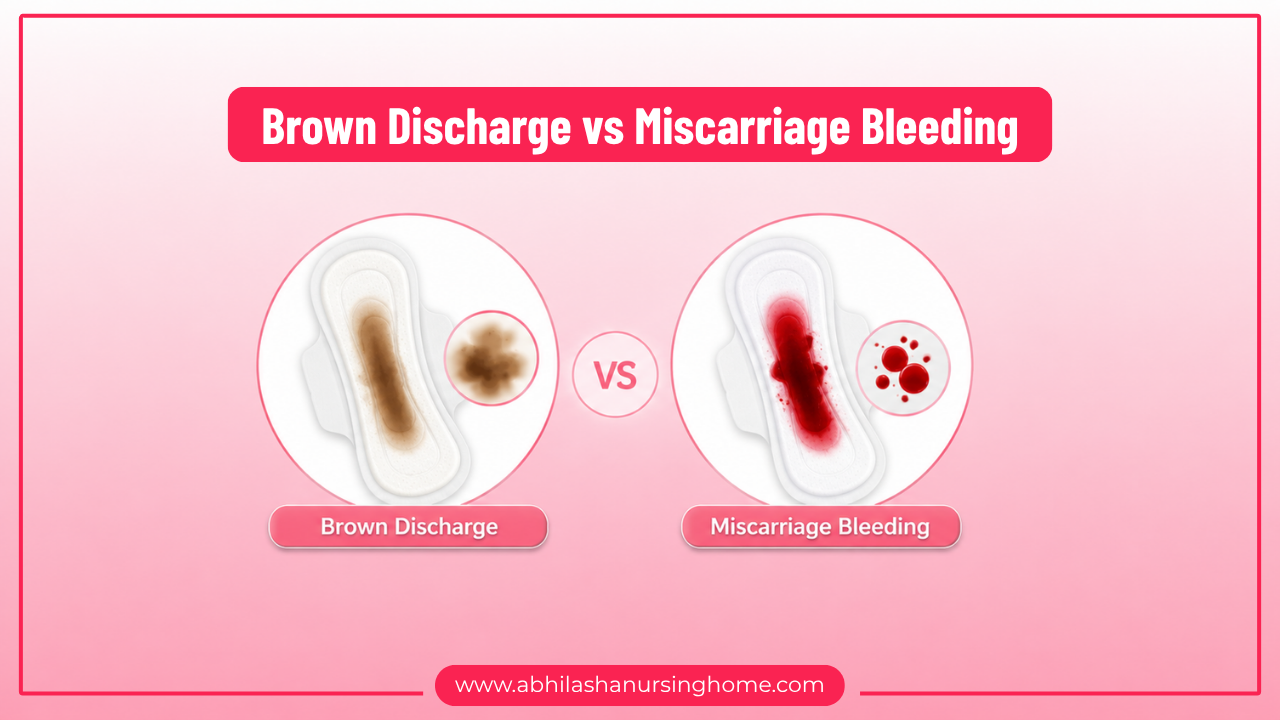
Brown discharge alone does not mean that a miscarriage is occurring.
Miscarriage may involve vaginal bleeding, abdominal or pelvic cramping, and sometimes passing tissue. However, symptoms can vary.
If you experience bleeding during pregnancy, particularly with pain or increasing bleeding, contact your healthcare provider for proper evaluation.
What Should You Do If You Notice Brown Discharge During Pregnancy?
Monitor the Color and Amount
Pay attention to:
- Color
- Amount
- Duration
- Changes over time
- Associated symptoms
This information can help your doctor understand what is happening.
Avoid Self-Medication
Do not take medicines to stop bleeding or treat a suspected infection without consulting your doctor.
Maintain Proper Hygiene
Keep the genital area clean and dry. Avoid harsh soaps, scented products, and vaginal douching.
Contact Your Doctor if Symptoms Worsen
Seek medical advice if the discharge continues, becomes heavier, changes to bright-red bleeding, or is accompanied by pain, fever, dizziness, or other concerning symptoms.
When Should You Call a Doctor?
Contact your gynecologist if you experience unexplained brown discharge during pregnancy, particularly if it is persistent or recurrent.
Seek urgent medical attention if you experience:
- Heavy vaginal bleeding
- Severe abdominal or pelvic pain
- One-sided abdominal pain
- Fainting or severe dizziness
- Shoulder-tip pain with bleeding or abdominal pain
- Fever or chills
- Passing tissue or large clots
- A significant change in your baby’s movements later in pregnancy
When it comes to pregnancy-related bleeding, it is always better to seek professional advice than to try to diagnose the cause yourself.
Frequently Asked Questions
Q1. Is Brown Discharge Normal in Early Pregnancy?
Light brown discharge can occur during early pregnancy and may have harmless causes, such as old blood or cervical changes. However, early pregnancy bleeding can also have other causes, so persistent or concerning discharge should be discussed with your doctor.
Q2. Is Light Brown Discharge During Pregnancy Normal?
Light brown discharge can occur during pregnancy, particularly when a small amount of old blood is leaving the body. If it continues, increases, or occurs with pain or other symptoms, contact your healthcare provider.
Q3. Is Dark Brown Discharge During Pregnancy Normal?
Dark brown discharge often indicates older blood. However, the color alone cannot tell whether the cause is harmless. Consider the amount, duration, pregnancy stage, and accompanying symptoms.
Q4. Can Brown Discharge Be a Sign of Miscarriage?
It can occur with miscarriage, but brown discharge alone does not mean that you are having a miscarriage. Bleeding accompanied by cramping, abdominal pain, or passing tissue requires medical evaluation.
Q5. How Long Does Brown Discharge Last During Pregnancy?
The duration varies depending on the cause. Brief spotting may resolve quickly, while discharge related to another condition may last longer. Persistent or worsening discharge should be assessed by a healthcare professional.
Q6. Does Brown Discharge Mean Labor Is Near?
In late pregnancy, blood-tinged or brown mucus can sometimes occur as the cervix changes before labor. However, brown discharge does not necessarily mean labor is imminent. Contact your maternity care provider if you notice bleeding, regular contractions, fluid leakage, or other signs of labor.
Q7. Can Brown Discharge Happen Without Pain?
Yes. Brown discharge can occur without pain, particularly when caused by old blood or minor cervical irritation. However, painless bleeding should not automatically be assumed to be harmless.
Q8. Is Brown Spotting Normal During Pregnancy?
Light spotting can occur during pregnancy, but the cause varies. If you notice brown spotting, especially repeatedly or later in pregnancy, discuss it with your doctor.
Key Takeaways
- Brown discharge during pregnancy often means old blood is leaving the body.
- Light brown spotting can occur because of cervical changes, sexual intercourse, examinations, or other causes.
- Implantation-related spotting may occur very early in pregnancy but does not happen in every pregnancy.
- Brown discharge can also occur with infections or pregnancy-related complications.
- The color of discharge alone cannot determine whether it is harmless.
- Persistent, heavy, or worsening bleeding should be medically evaluated.
- Severe abdominal pain, fainting, dizziness, fever, heavy bleeding, or passing tissue requires prompt medical attention.
- If you are concerned about any bleeding during pregnancy, contact your gynecologist rather than trying to diagnose the cause yourself.
Conclusion: About Brown Discharge During Pregnancy
Seeing brown discharge during pregnancy can understandably cause anxiety, but it does not always mean that something is wrong. Brown discharge often represents older blood and may occur because of minor cervical irritation or other relatively harmless causes.
At the same time, bleeding during pregnancy should never be completely ignored. The possible causes can change depending on whether you are in the first, second, or third trimester and whether you have symptoms such as abdominal pain, cramping, fever, dizziness, or heavy bleeding.
If you notice brown discharge, pay attention to its amount, color, duration, and any symptoms that occur alongside it. Most importantly, do not hesitate to contact your gynecologist if you are unsure or concerned.
At Abhilasha Nursing Home, our experienced gynecology and maternity team provides personalized pregnancy care, monitoring, diagnostic evaluation, and guidance throughout your pregnancy journey. Whether you are experiencing spotting in early pregnancy or have concerns later in pregnancy, timely professional evaluation can help you understand what is happening and receive appropriate care.
Your peace of mind matters. When something feels unusual during pregnancy, it is always better to ask your healthcare provider.
Disclaimer: This article is intended for informational and educational purposes only and should not replace professional medical advice, diagnosis, or treatment. Brown discharge during pregnancy can have different causes, and an examination may be required to determine the reason. Always consult a qualified gynecologist or healthcare provider regarding bleeding or unusual discharge during pregnancy. Seek urgent medical attention for heavy bleeding, severe abdominal pain, fainting, severe dizziness, fever, or other concerning symptoms.