
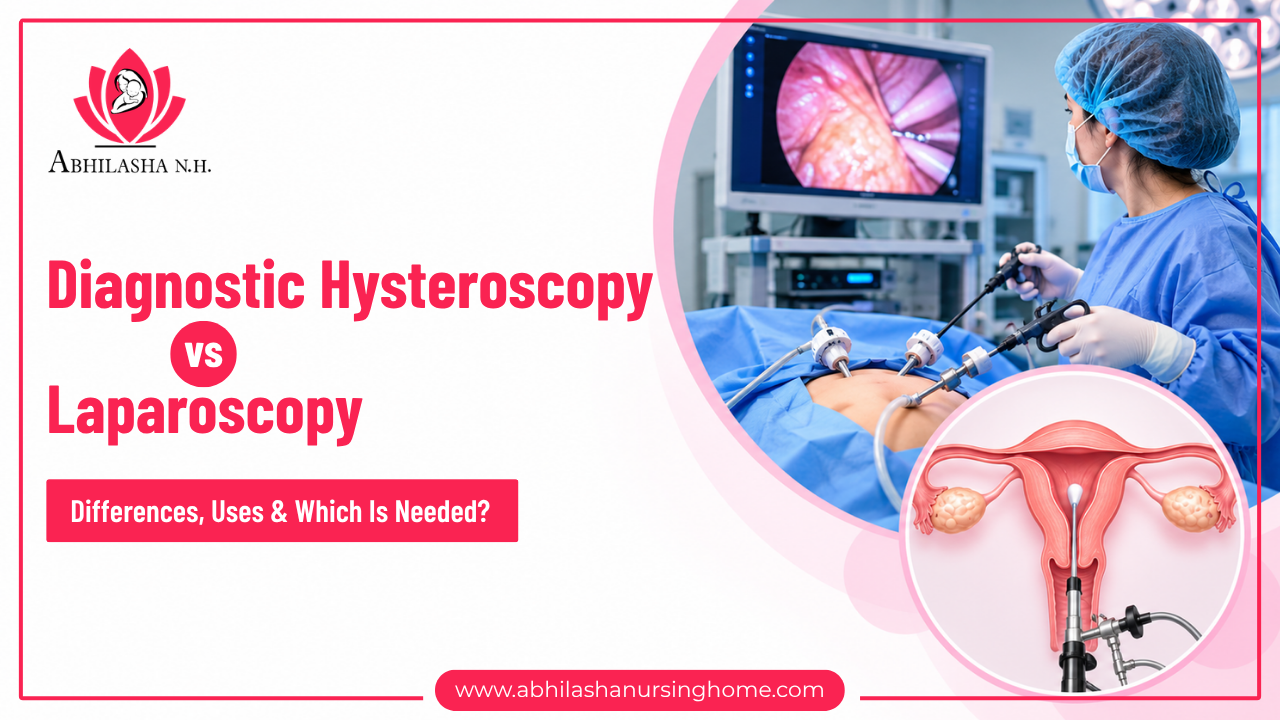
When a gynecologist recommends a procedure to investigate a reproductive health concern, it is natural to have questions. You may come across terms such as diagnostic hysteroscopy and laparoscopy and wonder whether they are the same, how they differ, and which one you might need.
Although both procedures help doctors investigate gynecological conditions, diagnostic hysteroscopy and laparoscopy examine different areas of the reproductive system. Understanding this difference can help you feel more informed before discussing your treatment options with your doctor.
What Is Diagnostic Hysteroscopy?
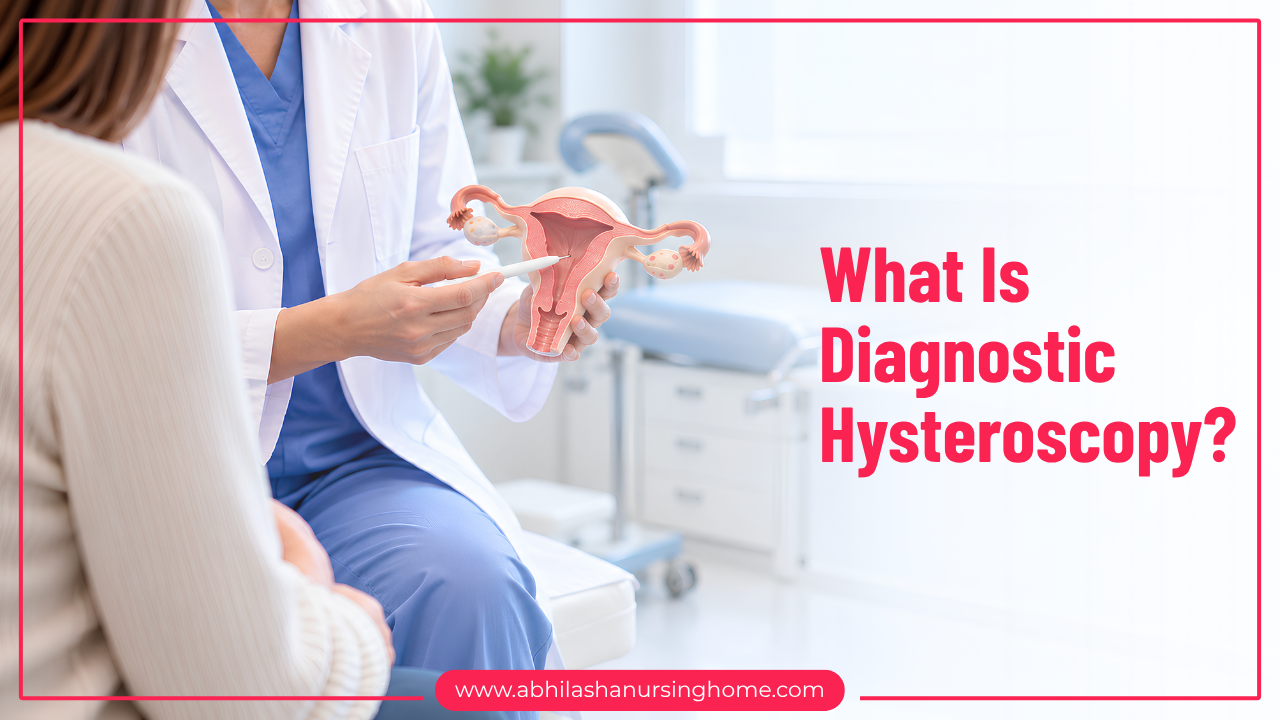
Diagnostic hysteroscopy is a minimally invasive procedure used to examine the inside of the uterus. A thin, lighted instrument called a hysteroscope is gently passed through the vagina and cervix into the uterine cavity.
The camera allows the doctor to examine the uterine lining and identify abnormalities that may explain certain symptoms.
Diagnostic hysteroscopy may be recommended for:
- Heavy or irregular menstrual bleeding
- Suspected uterine polyps or fibroids inside the uterine cavity
- Abnormal findings on an ultrasound
- Selected fertility-related concerns
- Suspected scar tissue inside the uterus
In some cases, a small tissue sample may also be collected for further testing.
What Is Laparoscopy?
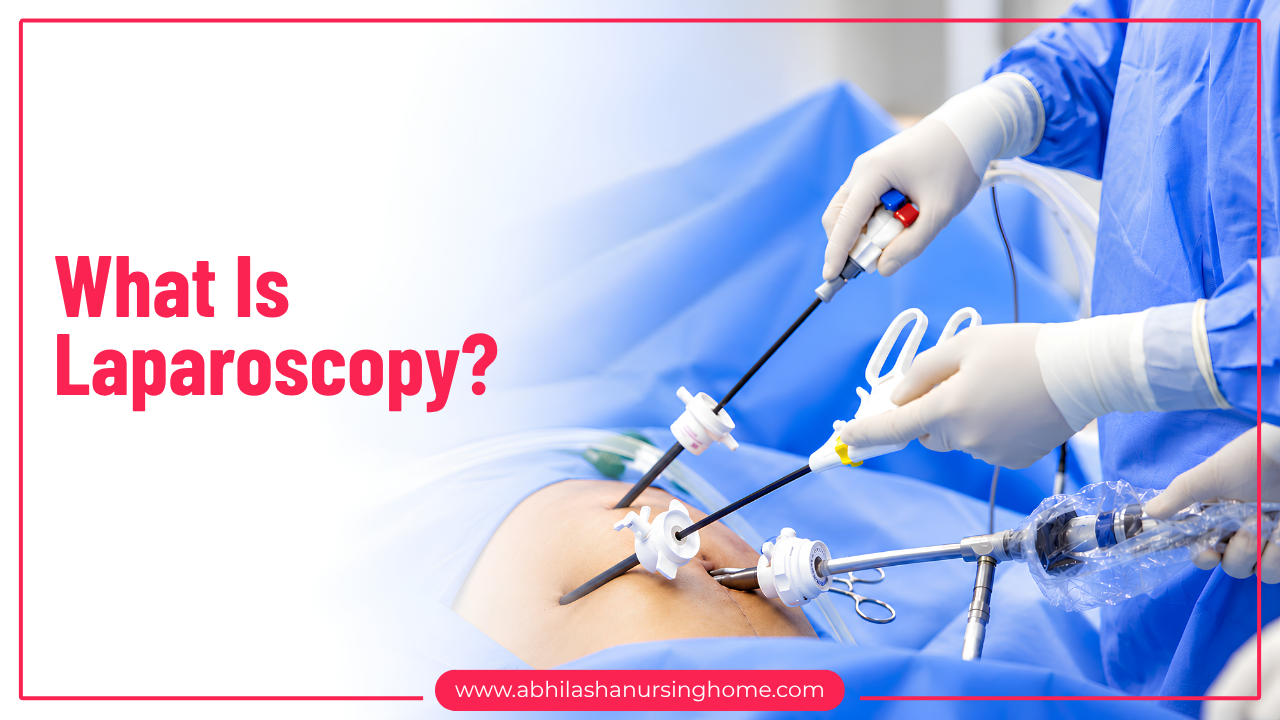
Laparoscopy is a minimally invasive surgical procedure used to examine the organs inside the abdomen and pelvis. The surgeon makes small incisions in the abdomen and inserts a thin instrument called a laparoscope, which has a camera and light.
This allows the surgeon to examine organs such as the ovaries, fallopian tubes, uterus, and surrounding pelvic tissues. If required, surgical instruments can be inserted through additional small incisions to treat certain conditions.
Laparoscopy may be recommended to investigate or treat:
- Endometriosis
- Pelvic adhesions or scar tissue
- Certain ovarian cysts
- Some fallopian tube problems
- Selected infertility-related conditions
- Other abdominal or pelvic conditions
The choice of procedure depends on the symptoms, examination findings, and suspected condition.
Diagnostic Hysteroscopy vs Laparoscopy: Key Differences
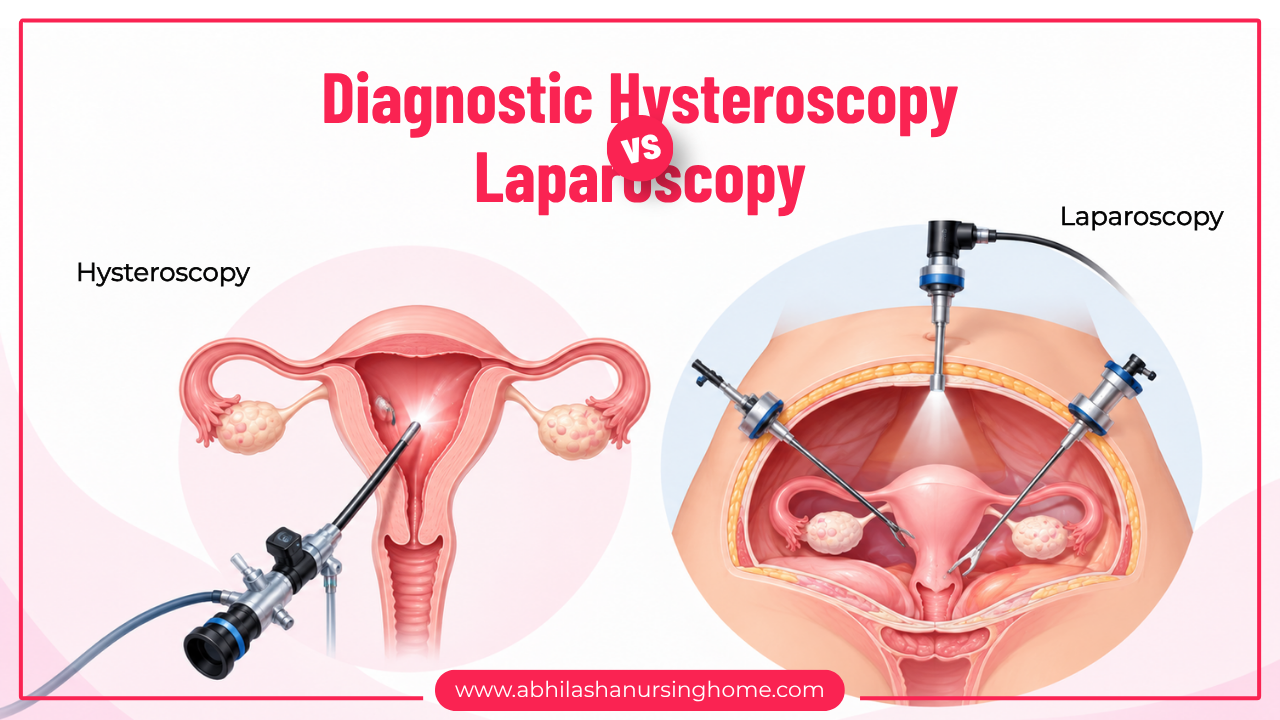
| Feature | Diagnostic Hysteroscopy | Laparoscopy |
| Main purpose | Examines the inside of the uterus | Examines organs inside the abdomen and pelvis |
| Instrument used | Hysteroscope | Laparoscope |
| How it is performed | Through the vagina and cervix | Through small abdominal incisions |
| Abdominal cuts | Not required | Usually required |
| Common uses | Abnormal uterine bleeding, uterine polyps, cavity abnormalities | Endometriosis, pelvic adhesions, selected ovarian or tubal conditions |
| Anesthesia | Depends on the procedure and patient | Commonly general anesthesia |
| Recovery | Often relatively quick after a diagnostic procedure | Depends on the complexity of the surgery |
Both procedures are minimally invasive, but they are designed to answer different medical questions.
Is Hysteroscopy Better Than Laparoscopy?
Neither procedure is universally better than the other because they examine different areas.
Hysteroscopy is generally used when the doctor needs to examine the inside of the uterus. For example, it may help investigate heavy menstrual bleeding or identify a polyp within the uterine cavity.
Laparoscopy is used when the doctor needs to examine the pelvic organs from outside the uterus. It may help investigate conditions such as endometriosis, pelvic adhesions, or certain problems involving the ovaries and fallopian tubes.
In some situations, both procedures may be recommended because they provide different information. Your gynecologist will decide whether one or both are appropriate based on your symptoms and medical findings.
Which Procedure Is Used for Infertility?
Both hysteroscopy and laparoscopy may have a role in selected fertility investigations, but their purposes differ.
Hysteroscopy examines the uterine cavity for abnormalities such as polyps or adhesions that may be relevant to conception or pregnancy.
Laparoscopy may help identify conditions such as endometriosis, pelvic adhesions, or certain abnormalities involving the fallopian tubes.
Neither procedure is necessary for every woman experiencing infertility. The recommended investigation depends on your medical history,
fertility assessment, and suspected cause. Hysteroscopy also cannot, by itself, determine whether the fallopian tubes are open.
Are Diagnostic Hysteroscopy and Laparoscopy Safe?
Both are established medical procedures and can be appropriate when performed for the right reasons. However, each has potential risks.
Hysteroscopy may occasionally cause infection, bleeding, or injury to the cervix or uterus. Laparoscopy may involve risks such as bleeding, infection, anesthesia-related complications, or injury to nearby organs or blood vessels.
Your doctor will explain the relevant risks, benefits, alternatives, and recovery expectations before recommending either procedure.
Frequently Asked Questions
Q.1. Can hysteroscopy and laparoscopy be performed together?
Ans. Yes. In selected cases, both procedures can be performed during the same surgical session if the doctor needs to examine both the uterine cavity and the pelvic organs. Whether this is appropriate depends on the patient’s condition and treatment plan.
Q.2. Which procedure is more painful?
Ans. The experience varies between patients. Diagnostic hysteroscopy may cause period-like cramps, while laparoscopy involves surgery under anesthesia and may cause abdominal soreness or temporary shoulder discomfort afterward. Pain-relief options and recovery differ between procedures.
Q.3. Does hysteroscopy require abdominal surgery?
Ans. No. A hysteroscope is inserted through the vagina and cervix, so diagnostic hysteroscopy does not require abdominal incisions.
Final Thoughts: Choosing Between Hysteroscopy VS Laparoscopy
Understanding the difference between diagnostic hysteroscopy and laparoscopy can help you make sense of your doctor’s recommendations. Hysteroscopy examines the inside of the uterus, while laparoscopy examines the organs and tissues inside the abdomen and pelvis.
The right procedure depends on what your doctor needs to investigate. If you have concerns about abnormal bleeding, pelvic pain, or fertility, a gynecological consultation can help determine the most appropriate next step.
At Abhilasha Nursing Home, Agra, women can consult a gynecologist to discuss their symptoms, understand available investigations, and receive guidance tailored to their individual needs.
Disclaimer: This article is for general informational purposes only and does not replace professional medical advice, diagnosis, or treatment. The choice of procedure depends on individual symptoms, clinical findings, and medical history. Always consult your treating doctor about the most suitable investigation or treatment.