
Unexpected spotting, unusually heavy periods or bleeding between menstrual cycles can be worrying, especially when you do not know what is causing the change. One possible reason is endometrial polyps, a common gynecological condition that affects the lining of the uterus.
The reassuring news is that most endometrial polyps are noncancerous. However, unusual bleeding should not be ignored, as proper evaluation helps identify the cause and determine whether treatment is needed.
In this guide, we explain the symptoms, causes, diagnosis and treatment of endometrial polyps, along with when you should consult a gynecologist.
What Are Endometrial Polyps?
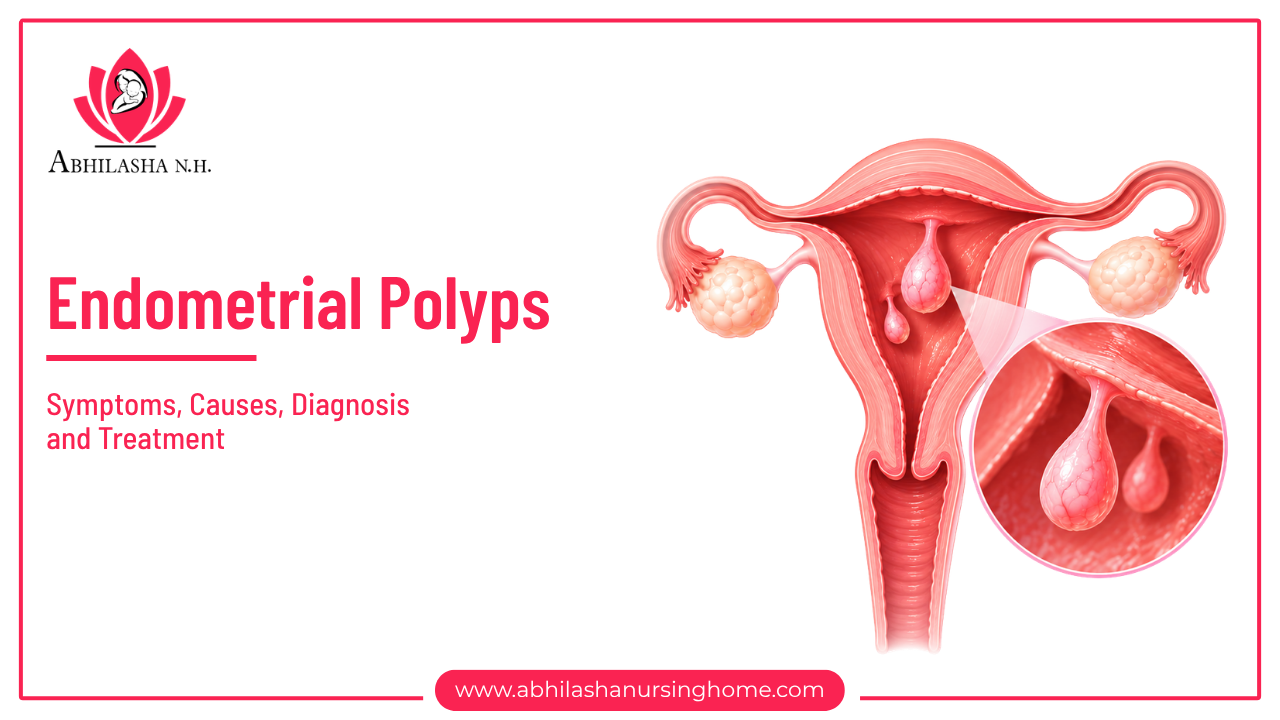
Endometrial polyps, also called uterine polyps, are growths that develop when cells in the endometrium—the inner lining of the uterus—overgrow. They may be as small as a few millimeters or grow to several centimeters in size. A woman may have one polyp or several.
Although most are benign (noncancerous), some polyps may contain precancerous or cancerous changes. The likelihood depends on individual risk factors, which is why a gynecologist may recommend further testing or removal in certain cases.
What Are the Symptoms of Endometrial Polyps?
Some women with endometrial polyps experience no symptoms, and the growths are discovered during an examination for another reason.
Others notice changes in their menstrual cycle.
Common symptoms include:
- Heavy menstrual bleeding: Periods may become heavier than usual.
- Bleeding between periods: Spotting may occur outside your regular menstrual cycle.
- Irregular periods: Menstrual bleeding may become unpredictable.
- Bleeding after menopause: Any vaginal bleeding after menopause needs medical evaluation.
- Bleeding after sex: Some women experience spotting following sexual intercourse.
- Difficulty conceiving: Endometrial polyps may be associated with fertility problems in some women.
These symptoms can also occur with other conditions, including hormonal imbalances, fibroids and endometrial changes. Therefore, symptoms alone cannot confirm that you have polyps.
What Causes Endometrial Polyps?
The exact cause of endometrial polyps is not fully understood. However, hormones—particularly estrogen, which influences the growth of the uterine lining—appear to play an important role.
Certain factors may increase the likelihood of developing uterine polyps, including:
- Being in your 40s or 50s, or being postmenopausal.
- Having overweight or obesity.
- Taking tamoxifen, a medicine used in the treatment of certain breast cancers.
- Using some forms of hormone therapy.
Having one or more risk factors does not mean that you will definitely develop polyps. They can occur in women without any obvious risk factors, too.
How Are Endometrial Polyps Diagnosed?
If you experience abnormal uterine bleeding, your gynecologist may review your symptoms, menstrual history, medications and medical background before recommending investigations.
Common diagnostic methods include:
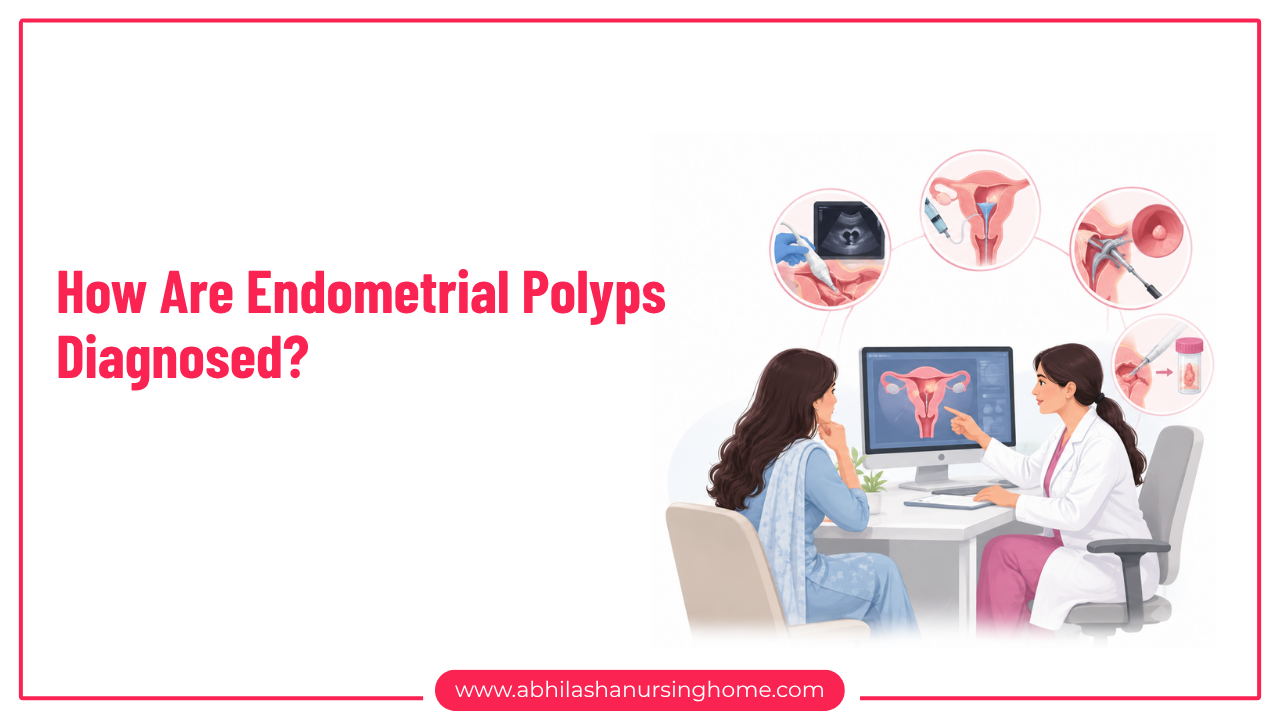
1. Transvaginal Ultrasound
A transvaginal ultrasound uses a small probe inserted into the vagina to create images of the uterus. It may reveal a polyp or an area of thickened uterine lining that needs further assessment.
2. Saline Infusion Sonography
In this test, sterile saline is introduced into the uterine cavity to help show its inner surface more clearly during an ultrasound. It can help identify growths that may be difficult to distinguish on a standard scan.
3. Diagnostic Hysteroscopy
During a hysteroscopy, a thin, lighted instrument is passed through the vagina and cervix into the uterus. This allows the gynecologist to examine the uterine cavity directly and identify the location and appearance of a polyp.
If appropriate, the polyp may also be removed during a hysteroscopy.
4. Endometrial Biopsy or Laboratory Examination
A tissue sample may be collected when further assessment is necessary. If a polyp is removed, it is generally sent to a laboratory for examination to check for abnormal cells.
The tests recommended will depend on your symptoms, age, medical history and individual risk factors.
What Are the Treatment Options for Endometrial Polyps?
Treatment depends on the size and symptoms of the polyp, your medical history, risk factors and plans for pregnancy. Not every polyp requires immediate removal.
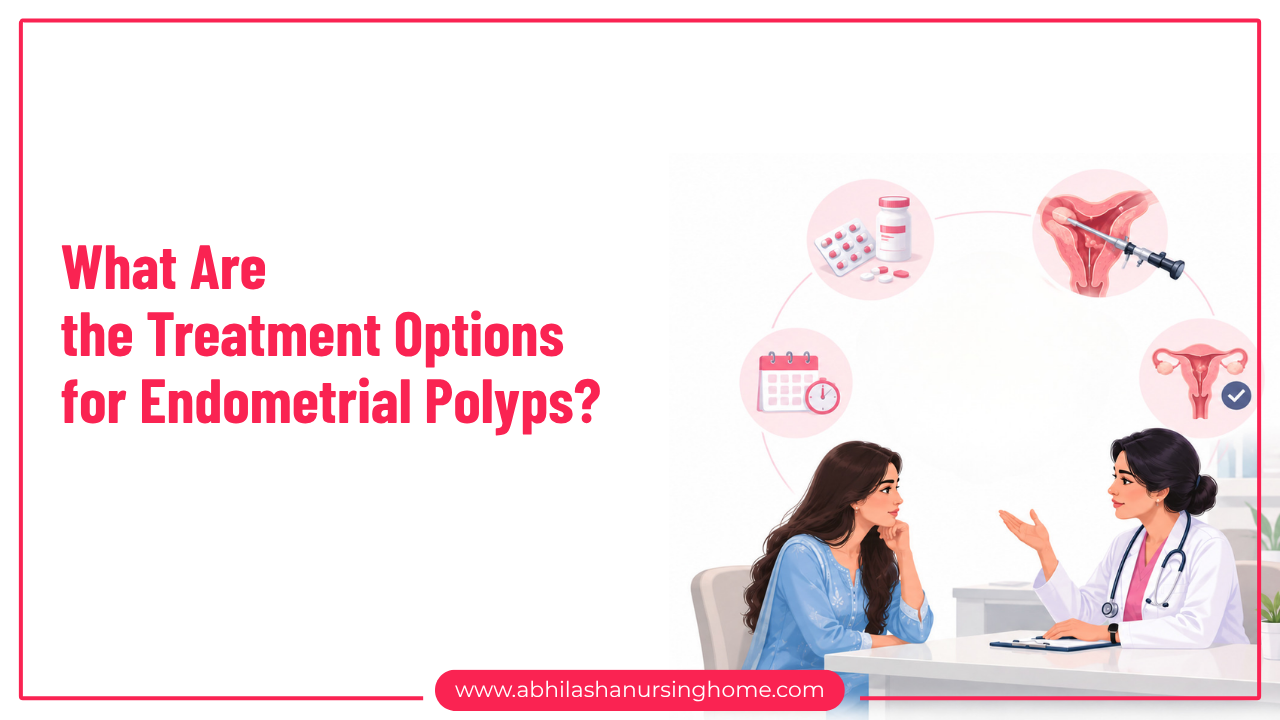
1. Monitoring
If a polyp is small, causes no symptoms and carries a low risk of concerning changes, your doctor may recommend monitoring it. Some small polyps may disappear on their own, although this does not happen in every case.
2. Medication
Certain hormonal medicines may help manage associated bleeding. However, medication does not reliably eliminate polyps, and symptoms may return after treatment stops.
3. Hysteroscopic Polypectomy
Hysteroscopic polypectomy is a commonly used procedure to remove endometrial polyps. The gynecologist passes a hysteroscope through the cervix and uses specialized instruments to remove the growth under direct visual guidance.
It is often performed without abdominal incisions. Whether it is suitable, and whether it requires anesthesia, depends on the individual case and clinical setting.
Removal may be recommended for persistent symptoms, after menopause, when further examination is needed, or in selected cases involving fertility concerns.
When Should You Consult a Gynecologist?
Do not ignore persistent changes in your menstrual cycle. Arrange a medical consultation if you experience unusually heavy periods, repeated bleeding between periods, unexplained spotting or bleeding after menopause.
Seek urgent medical care if bleeding is very heavy or is accompanied by fainting, severe dizziness or significant weakness.
Final Thoughts On Endometrial Polyps
Endometrial polyps are common, and most are noncancerous. However, unusual bleeding deserves attention rather than guesswork. An appropriate examination can help identify the cause, assess whether a polyp needs treatment and guide the next steps based on your health and reproductive goals.
At Abhilasha Nursing Home, Agra, women can discuss menstrual changes, uterine health and suitable diagnostic options with a gynecologist.
If you are experiencing unusual bleeding or have been diagnosed with endometrial polyps, seek personalized medical advice to understand the options available to you.
Medical disclaimer: This article is for educational purposes only and does not replace professional medical advice, diagnosis or treatment. Consult a qualified gynecologist for individual assessment and care.