
Safe, minimally invasive surgical care with personalized treatment planning — guided by over 35 years of gynecological expertise.
It is commonly recommended for conditions like uterine fibroids, heavy menstrual bleeding, endometriosis, or uterine prolapse. Compared to traditional open surgery, this method offers better outcomes with reduced hospital stay and quicker recovery, making it a preferred choice for many women.
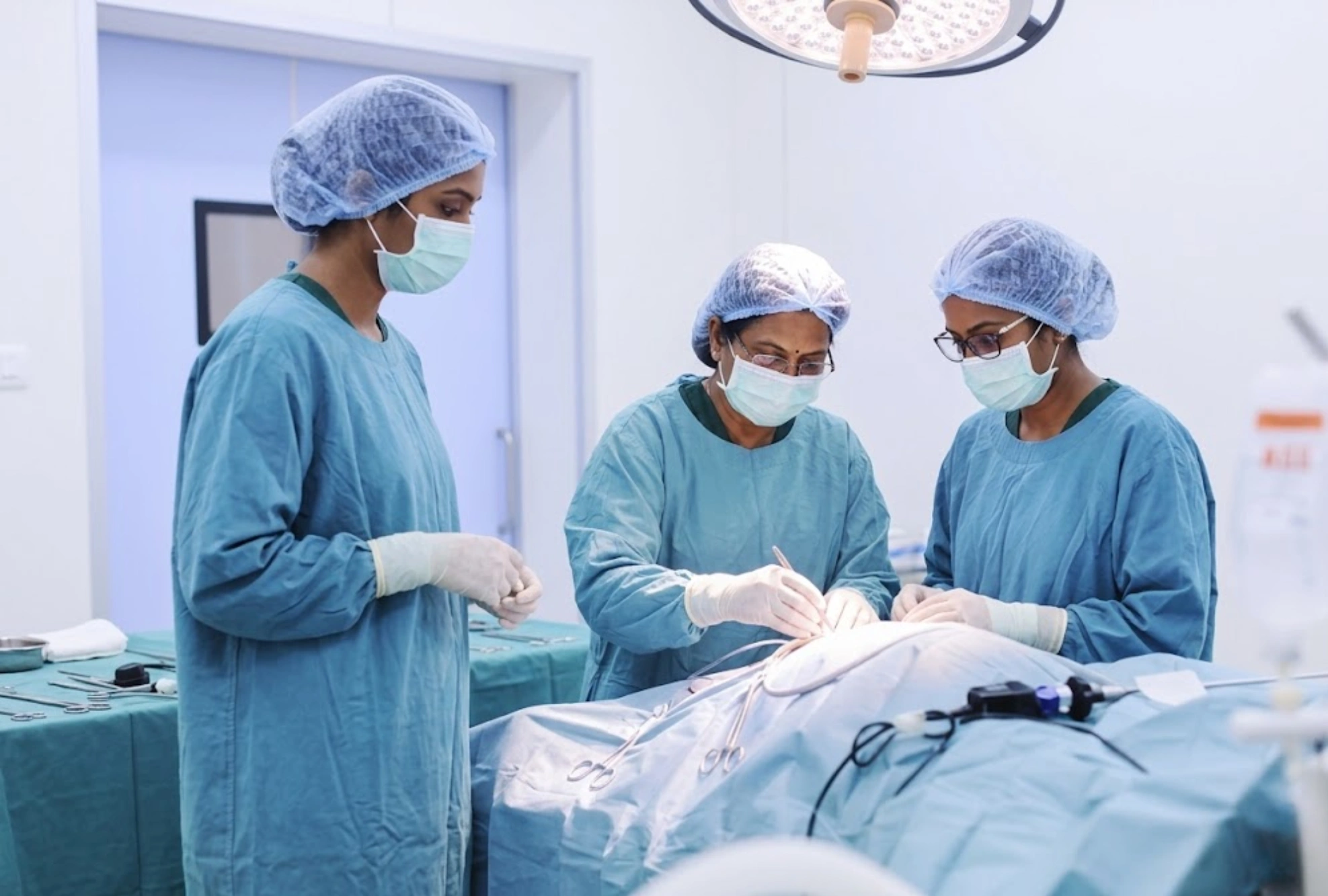
This procedure is performed using small incisions and advanced instruments, ensuring precision with minimal impact on the body. It helps patients return to their daily routine faster while experiencing less discomfort and stress during recovery.
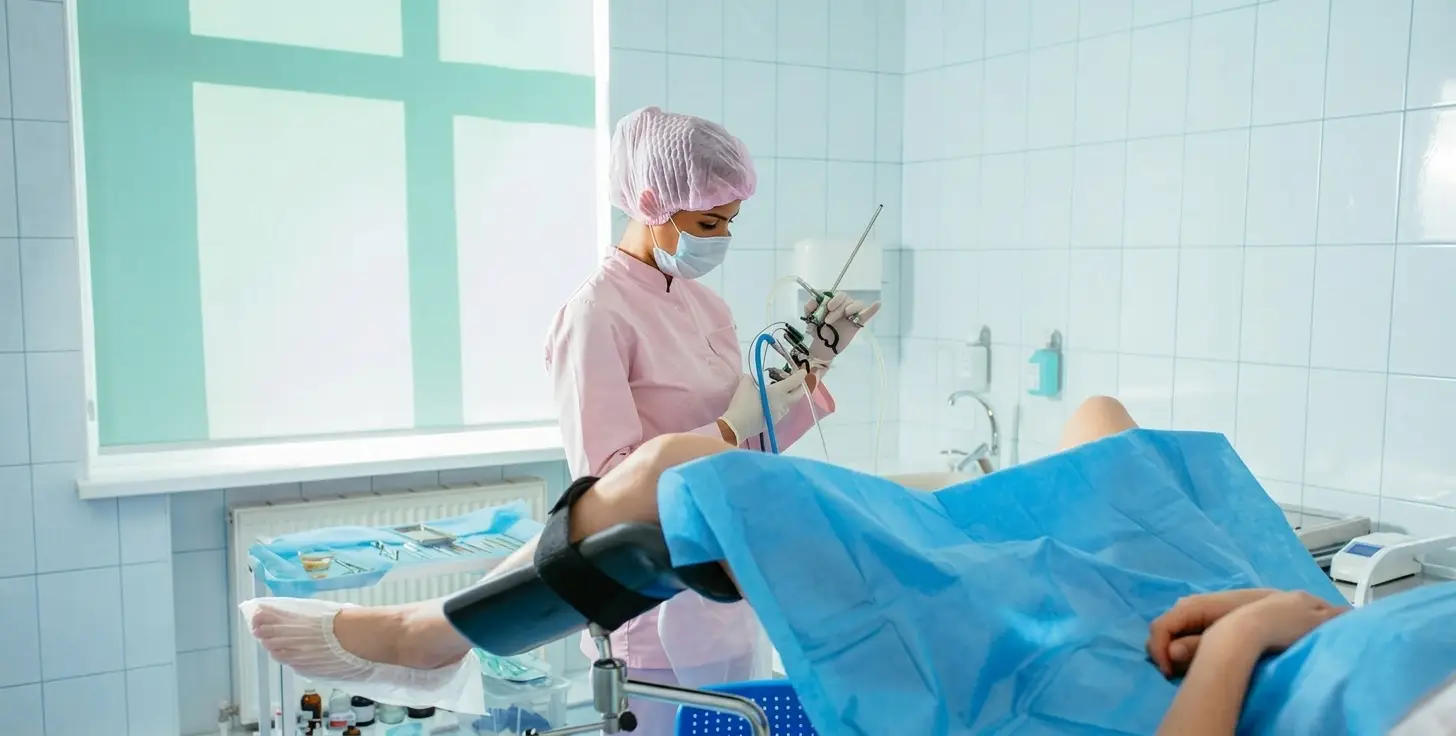
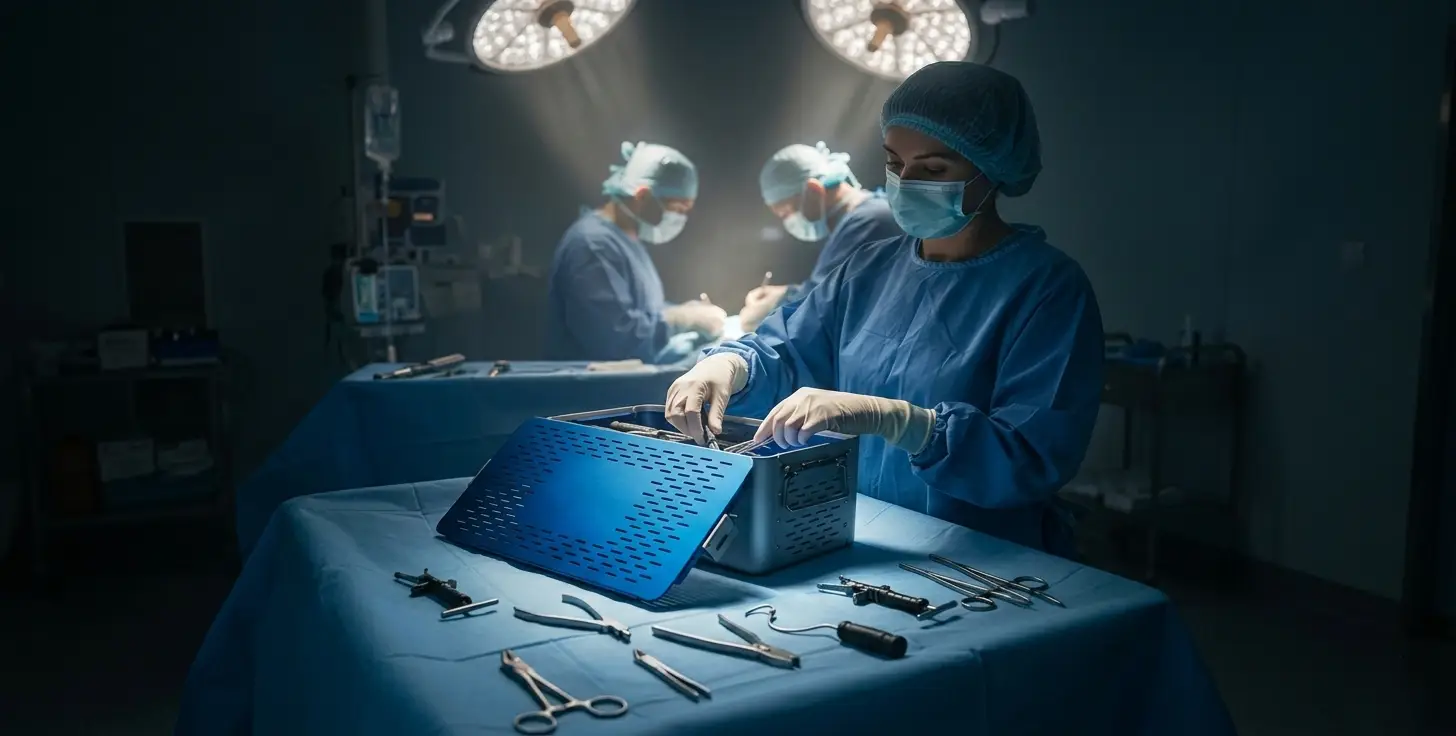
We focus on delivering safe, effective, and patient-centered surgical care using modern laparoscopic techniques. Every treatment is planned with attention to comfort, safety, and faster healing, ensuring a smooth experience throughout the process.
With the right medical guidance and advanced facilities, patients receive complete support from diagnosis to recovery making the journey easier and more reassuring.

MBBS, DGO, MS
Gynecologist & Obstetrician · Abhilasha Nursing Home, Agra
This procedure may be considered when other treatments have not been effective for the following conditions.
Non-cancerous growths affecting the uterus
Excessive or prolonged menstrual bleeding
Tissue growing outside the uterine lining
Endometrial tissue within the uterine wall
Weakening of pelvic floor support
Persistent pelvic pain or related conditions
In gynecology & obstetrics
Trusted across Agra & beyond
Dr. Abhilasha Prakash
Laparoscopic procedures
Trusted care backed by decades of medical expertise.
Specialized treatment by an experienced gynecologist.
Modern, minimally invasive procedures for better recovery.
Care that is personal, compassionate, and respectful.
From pregnancy to surgery, all women’s health needs are covered.
Focus on early detection and correct treatment.
Schedule your visit with our expert gynecologist for compassionate and personalized care.
A laparoscopic hysterectomy is a minimally invasive surgical procedure to remove the uterus. A laparoscope, which is a thin camera, allows the surgeon to view the pelvic area through a small incision while specialized instruments are used to perform the surgery.
Hysterectomy is commonly referred to as uterus removal surgery. Therefore, laparoscopic hysterectomy can also be described as laparoscopic uterus removal surgery, where the uterus is removed using a minimally invasive approach.
Depending on the patient’s condition and surgical plan, the cervix, fallopian tubes, or ovaries may or may not also be removed. This is decided by the treating gynecologist based on the individual’s medical needs.
A camera-based procedure to examine the inside of the uterus. Used to detect causes of bleeding, polyps, fibroids, or other concerns.
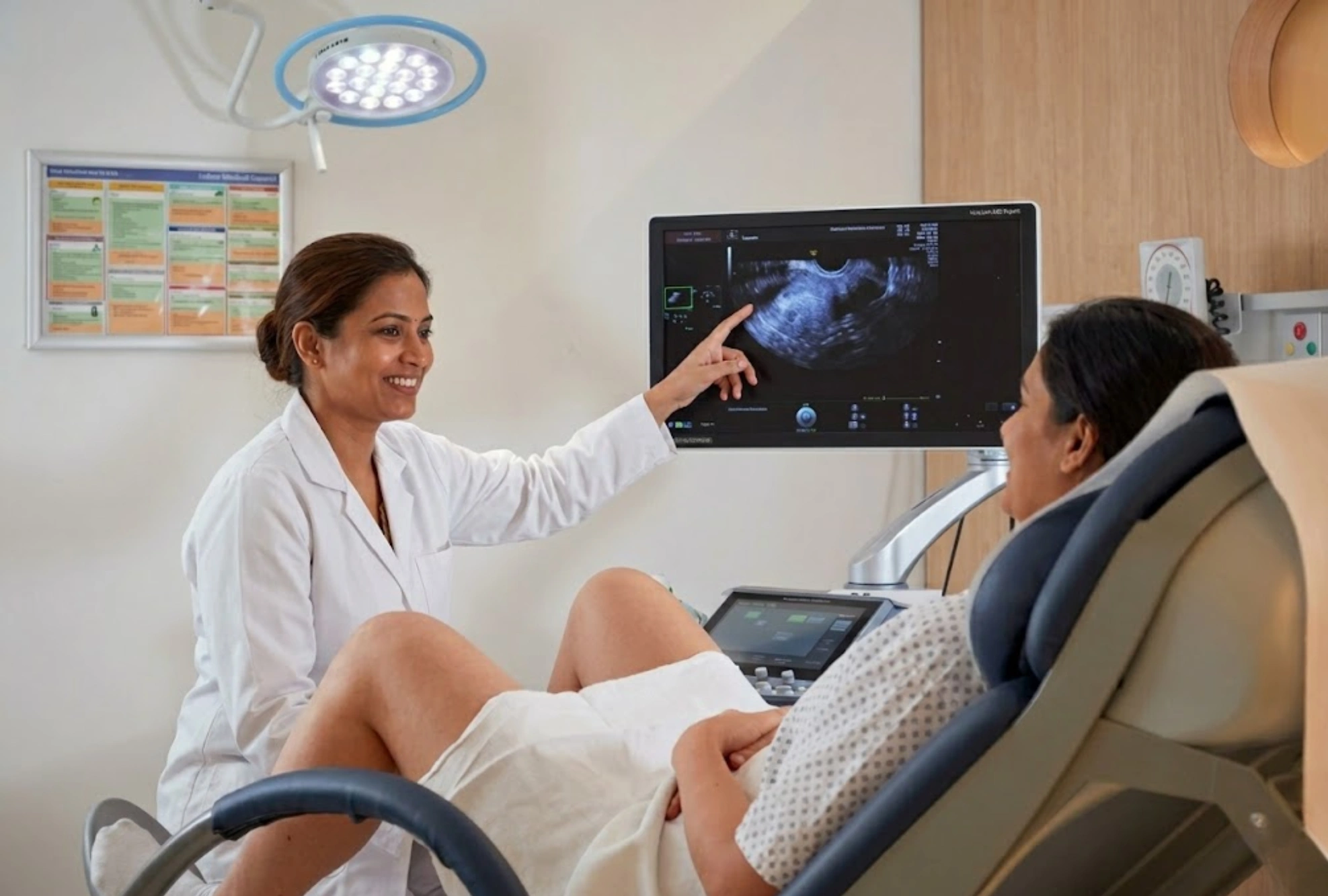
Yes. Hysterectomy means surgical removal of the uterus, while laparoscopic hysterectomy means the uterus is removed using a minimally invasive laparoscopic technique.
It may be recommended for conditions such as fibroids, severe abnormal bleeding, endometriosis, adenomyosis, uterine prolapse, or other conditions when uterus removal is medically appropriate.
No. Suitability depends on the patient’s condition, uterus size, previous surgeries, overall health, and other medical factors. The gynecologist determines the appropriate surgical approach after evaluation.
Potential benefits include smaller incisions, less scarring, reduced postoperative discomfort, and potentially faster recovery compared with open surgery in suitable patients.
Recovery varies depending on the type of surgery and individual health. Your doctor will provide personalized guidance about returning to normal activities.
Recovery varies for each individual. Following your surgical team’s instructions carefully, attending all follow-up appointments, and caring for your wound and medications are key to a smooth healing process.