
2 months pregnancy symptoms: Discovering that you’re pregnant is one of life’s most memorable moments. By the second month of pregnancy, however, the excitement is often accompanied by a lot of questions.
You may be feeling unusually tired, struggling with morning sickness, or wondering whether the changes happening in your body are normal. Some women worry because they are experiencing too many symptoms, while others worry because they hardly feel any symptoms at all.
If you’re around 8 weeks pregnant, these feelings are completely normal.
The second month of pregnancy is a time of rapid growth and development for your baby. Although you may not have a visible baby bump yet, your body is already working hard to support your growing little one. Understanding what’s happening during this stage can help you feel more confident and prepared for the months ahead.
In this guide, we’ll walk you through everything you need to know about 2 months pregnancy symptoms, baby development, diet, precautions, prenatal tests, and warning signs so you can take the best possible care of yourself and your baby.
What Happens During the Second Month of Pregnancy?
The second month of pregnancy includes 5 to 8 weeks and is considered one of the most important stages of fetal development.
During these weeks, pregnancy hormones continue to rise rapidly, which is why many women start noticing stronger symptoms. At the same time, your baby’s major organs and body systems begin developing.
While you may not see significant physical changes on the outside, remarkable developments are taking place inside your body every day.
Week-by-Week Baby Development During 2 Months Pregnancy
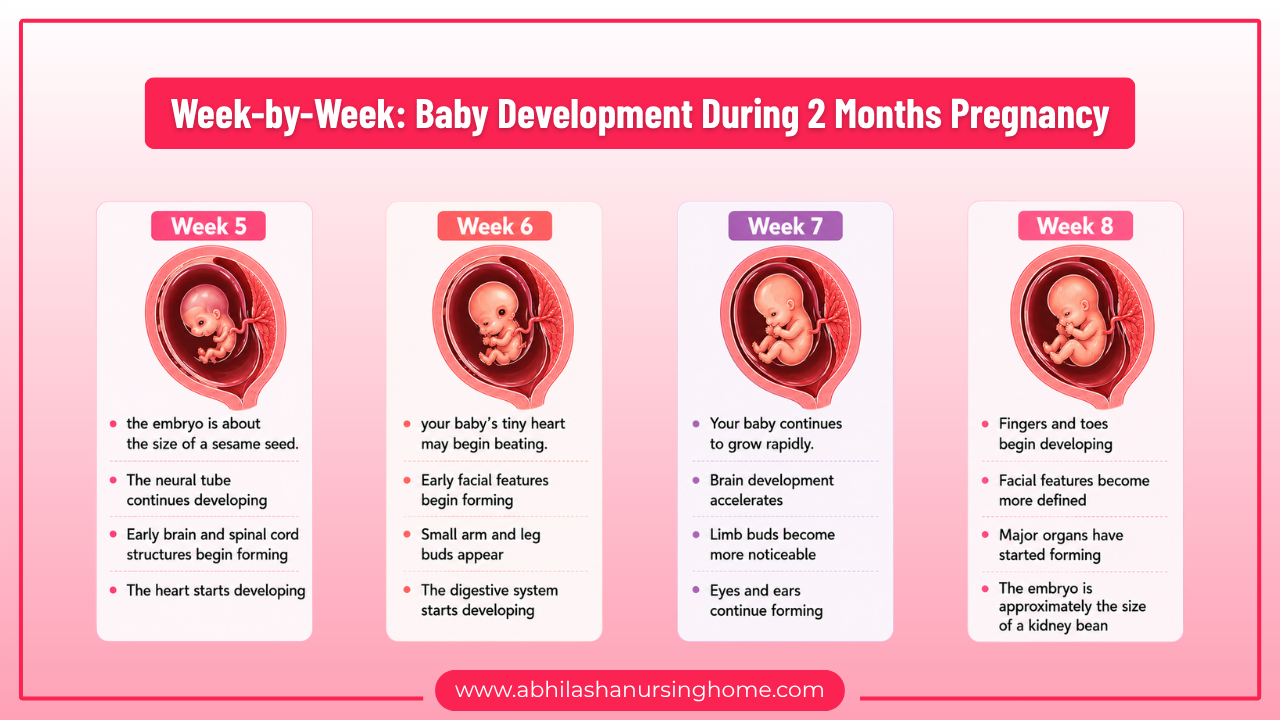
Every week brings exciting changes for your growing baby.
Week 5
At five weeks, the embryo is about the size of a sesame seed.
During this stage:
- The neural tube continues developing
- Early brain and spinal cord structures begin forming
- The heart starts developing
Week 6
Around week 6, your baby’s tiny heart may begin beating.
Other developments include:
- Early facial features begin forming
- Small arm and leg buds appear
- The digestive system starts developing
Week 7
Your baby continues to grow rapidly.
During week 7:
- Brain development accelerates
- Limb buds become more noticeable
- Eyes and ears continue forming
Week 8
By the end of the second month:
- Fingers and toes begin developing
- Facial features become more defined
- Major organs have started forming
- The embryo is approximately the size of a kidney bean
Even though your baby is still very small, this stage lays the foundation for future growth and development.
Baby Development in 2 Months Pregnancy
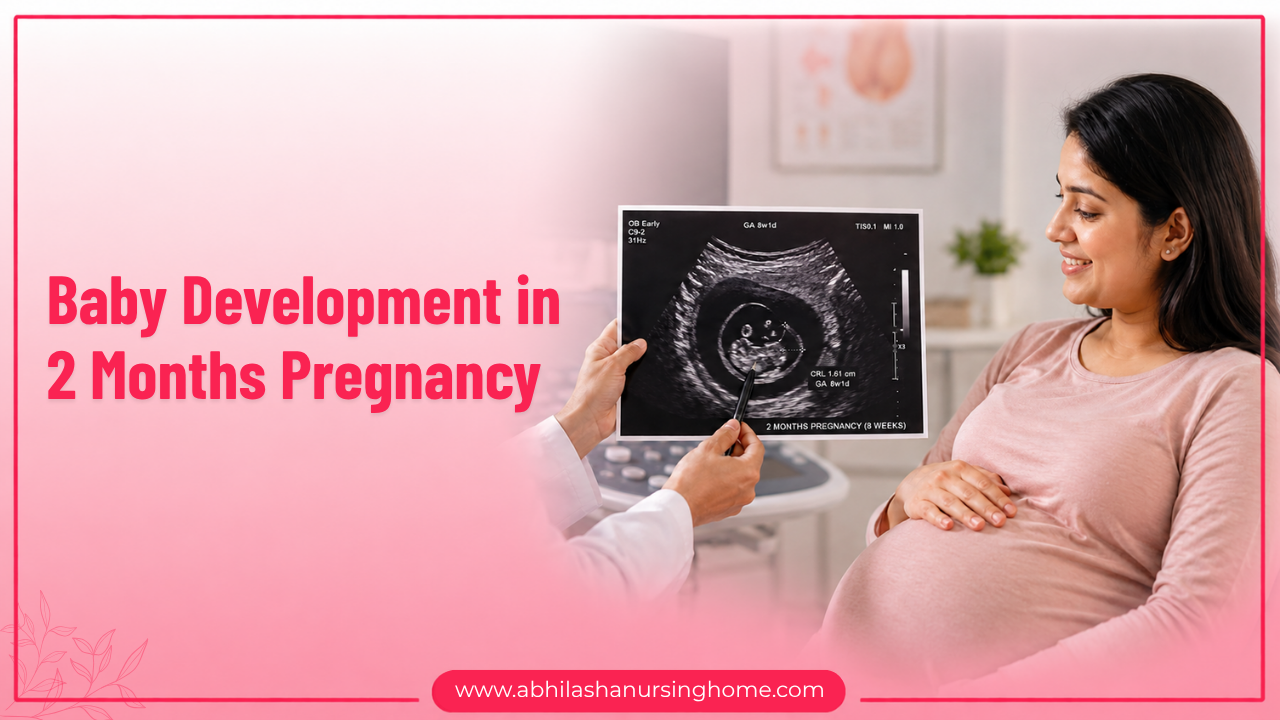
Many mothers find comfort in knowing how their baby is growing during these early weeks.
By the end of 8 weeks, your baby is around 1.5–2 centimeters long. Although tiny, several important developments have already taken place.
At this stage:
- The heart is beating and pumping blood
- Brain development is progressing rapidly
- Tiny arms and legs are becoming more defined
- Fingers and toes are beginning to form
- Eyes, ears, and nose continue developing
- The placenta is growing and supporting your baby’s nourishment
This is why early pregnancy care, proper nutrition, and regular checkups are so important.
Top 10 Symptoms of 2 Months Pregnancy
Every pregnancy is different, but these are some of the most common symptoms women experience during the second month.
1. Morning Sickness
Morning sickness often becomes more noticeable during the second month of pregnancy. You may feel nauseous in the morning, throughout the day, or when exposed to certain smells and foods.
2. Fatigue
If you’re feeling unusually tired, don’t worry. Your body is using extra energy to support your growing baby, making fatigue one of the most common symptoms during this stage.
3. Breast Tenderness
Your breasts may feel sore, swollen, heavier, or more sensitive than usual. These changes occur because pregnancy hormones are preparing your body for breastfeeding in the months ahead.
4. Frequent Urination
You may notice yourself visiting the bathroom more often than before. Increased blood flow and hormonal changes during pregnancy can put extra pressure on your urinary system.
5. Mood Swings
It’s completely normal to experience emotional ups and downs during the second month. Pregnancy hormones can affect your mood, making you feel more sensitive or emotional than usual.
6. Food Cravings
You may suddenly develop cravings for specific foods, even ones you rarely ate before. These cravings are a common part of pregnancy and can vary from woman to woman.
7. Food Aversions
Many women find that foods they once enjoyed suddenly seem unappealing. Certain smells, flavors, or textures may trigger nausea or discomfort during early pregnancy.
8. Bloating
Hormonal changes can slow down digestion, causing a feeling of fullness or bloating. This symptom is common during early pregnancy and may resemble premenstrual bloating.
9. Increased Sense of Smell
You may become more sensitive to odors that never bothered you before. Everyday smells such as perfumes, cooking aromas, or cleaning products may feel stronger than usual.
10. Mild Cramping
Mild cramping during the second month is often normal as your uterus begins expanding to support your growing baby. However, severe or persistent pain should be discussed with your doctor.
What You May Be Feeling at 6, 7, and 8 Weeks Pregnant
Pregnancy symptoms often change from week to week.
Week 6
You may notice:
- Morning sickness beginning
- Fatigue
- Breast tenderness
- Frequent urination
Week 7
Many women experience:
- Increased nausea
- Food aversions
- Mood swings
- Bloating
Week 8
Common symptoms include:
- Continued fatigue
- Stronger food cravings
- Heightened sense of smell
- Emotional sensitivity
Remember, symptom intensity varies greatly. Having mild symptoms does not necessarily indicate a problem.
Is It Normal to Have Cramps During the Second Month?
One of the most common concerns women have is whether mild cramping is normal.
In most cases, mild cramps during early pregnancy are harmless and occur because your uterus is expanding.
However, you should contact your doctor if:
- The pain becomes severe
- Cramping is persistent
- Bleeding occurs alongside the pain
- You experience dizziness or fainting
If you’re unsure about any symptom, it’s always best to seek medical advice.
What Should You Eat During the Second Month of Pregnancy?
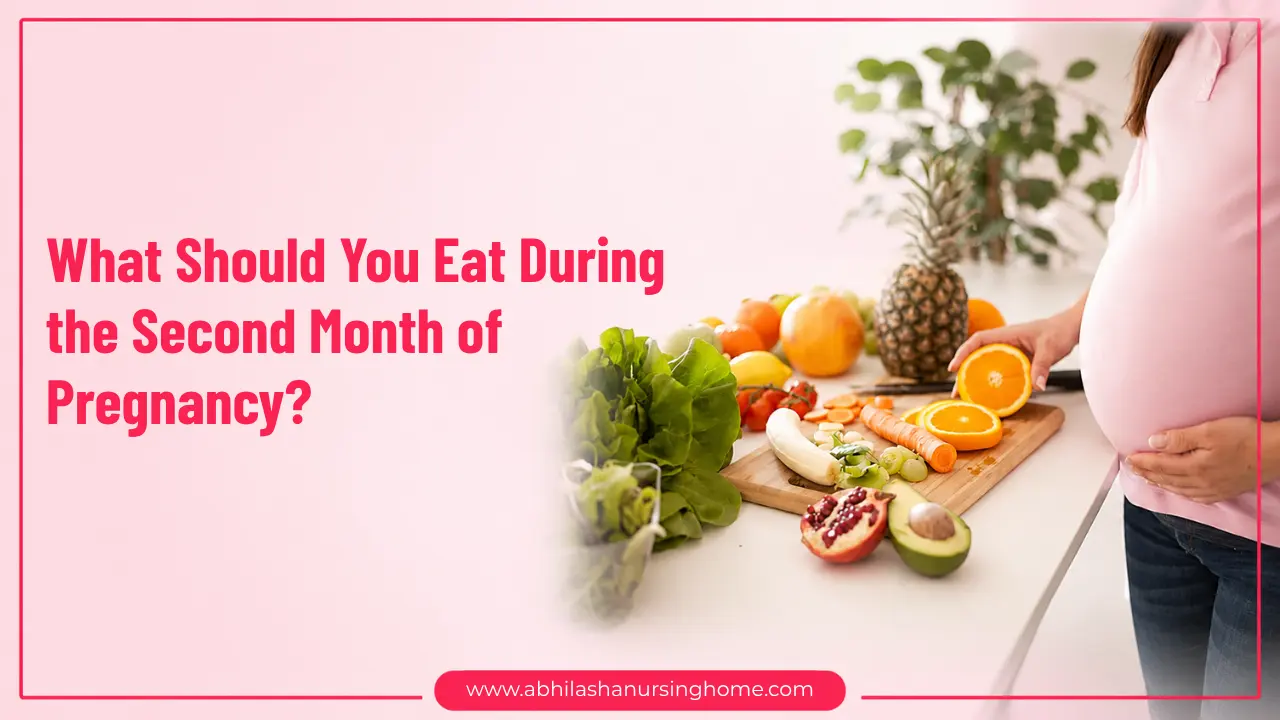
A healthy pregnancy begins with good nutrition.
If you’re experiencing nausea or food aversions, eating well may feel difficult. Instead of focusing on eating more, focus on eating nutrient-rich foods whenever possible.
Foods to Include
✔ Green leafy vegetables
✔ Eggs
✔ Lentils and beans
✔ Milk and yogurt
✔ Fresh fruits
✔ Whole grains
✔ Nuts and seeds
✔ Protein-rich foods
Foods to Avoid
✘ Alcohol
✘ Smoking
✘ Raw or undercooked meat
✘ Unpasteurized dairy products
✘ Excess caffeine
✘ Highly processed foods
Eating small, frequent meals throughout the day can often help manage morning sickness and maintain energy levels.
Essential Vitamins and Supplements
Even with a healthy diet, certain nutrients remain especially important during pregnancy.
- Folic Acid: Folic acid supports the healthy development of your baby’s brain and spinal cord.
- Iron: Iron helps prevent anemia and supports healthy blood production.
- Calcium: Calcium is essential for your baby’s developing bones and teeth.
- Vitamin D: Vitamin D helps the body absorb calcium and supports overall health.
Always take supplements exactly as prescribed by your gynecologist.
Pregnancy Tests During the Second Month
Many women wonder what tests they may need during this stage.
Your doctor may recommend:
- Blood group and Rh factor testing
- Complete blood count (CBC)
- Blood sugar testing
- Thyroid function tests
- Urine examination
- Infection screening
These tests help assess your health and identify any concerns early.
When should I go for the first ultrasound in pregnancy?
For many parents, the first ultrasound is an exciting milestone.
An ultrasound may help:
- Confirm the pregnancy
- Determine gestational age
- Check fetal development
- Confirm the baby’s heartbeat
Seeing your baby for the first time can be a reassuring and memorable experience.
Important Precautions During 2 Months Pregnancy
The second month remains a critical stage of development. Following these precautions can support a healthy pregnancy.
Do’s
✔ Take prescribed supplements regularly
✔ Stay hydrated
✔ Get enough rest
✔ Eat balanced meals
✔ Attend prenatal appointments
✔ Follow your doctor’s advice
Don’ts
✘ Smoke
✘ Drink alcohol
✘ Take medicines without medical advice
✘ Lift heavy objects
✘ Skip meals
✘ Ignore unusual symptoms
Normal Symptoms vs Warning Signs During 2 Months Pregnancy
| Common Pregnancy Symptoms | When to Contact Your Doctor |
| Mild nausea | Severe vomiting |
| Mild cramping | Severe abdominal pain |
| Breast tenderness | Heavy vaginal bleeding |
| Fatigue | Fainting |
| Food aversions | Inability to keep food down |
| Mild dizziness | Difficulty breathing |
While most early pregnancy symptoms are harmless, warning signs should never be ignored.
When to Seek Expert Pregnancy Care
If you’re experiencing unusual symptoms, have concerns about your baby’s development, or simply want reassurance during your pregnancy journey, seeking timely medical guidance is important.
At Abhilasha Nursing Home, Dr. AP provides comprehensive pregnancy consultations, prenatal care, pregnancy monitoring, and personalized guidance tailored to each mother’s needs. Early consultation can help address concerns, monitor your baby’s growth, and ensure you receive the right care at every stage of pregnancy.
If you notice any warning signs or have questions about your pregnancy, don’t hesitate to schedule a consultation with Dr. Abhilasha Prakash for expert advice and support.
Why Prenatal Care Matters
Some women feel that if they are not experiencing problems, they can delay doctor visits.
However, regular prenatal care plays a vital role in monitoring your baby’s development and ensuring your health throughout pregnancy.
At Abhilasha Nursing Home Agra, our experienced gynecologists provide comprehensive prenatal care, pregnancy monitoring, diagnostic testing, and personalized guidance to support mothers through every stage of pregnancy.
2 Months Pregnancy Frequently Asked Questions
Q 1: Is morning sickness worse during the second month?
For many women, yes. Nausea often becomes more noticeable between weeks 6 and 8.
Q 2: Is it normal to have very few pregnancy symptoms?
Yes. Every pregnancy is different, and some women experience only mild symptoms.
Q 3: Can I sleep on my stomach during the second month?
Yes. Sleeping on your stomach is generally safe during early pregnancy.
Q 4: Is white discharge normal during pregnancy?
Yes. Mild white discharge is common and usually results from hormonal changes.
Q 5: Can I climb stairs during pregnancy?
Most women can safely climb stairs during early pregnancy unless advised otherwise by their doctor.
Q 6: Is ultrasound safe during pregnancy?
Yes. Ultrasound is considered safe and is routinely used to monitor fetal development.
Q 7: Can stress affect my pregnancy?
Managing stress is important for overall well-being. Rest, relaxation, and support from loved ones can help reduce stress during pregnancy.
Q 8: How much water should I drink?
Aim for approximately 8–10 glasses of water daily unless your doctor advises otherwise.
Final Thoughts: 2 Months Pregnancy
The second month of pregnancy is a period of incredible growth and change. While symptoms such as nausea, fatigue, mood swings, and food aversions can sometimes feel overwhelming, they are often signs that your body is supporting your baby’s development.
By following a healthy diet, taking prescribed supplements, attending regular prenatal checkups, and understanding pregnancy warning signs, you can take positive steps toward a healthy pregnancy.
Remember, every pregnancy is unique. If you ever have questions or concerns about your symptoms or your baby’s development, don’t hesitate to seek professional guidance.
At Abhilasha Nursing Home, our dedicated team is committed to providing compassionate pregnancy care, expert prenatal support, and personalized guidance to help ensure a safe and healthy journey for both mother and baby.