

If your doctor has recommended laparoscopy, you may wonder, “Is laparoscopy a major surgery?” It is completely normal to have questions about the procedure, recovery time, pain, and possible risks.
Laparoscopy is a minimally invasive surgical technique used to examine or treat organs inside the abdomen and pelvis. Unlike traditional open surgery, which may require a larger incision, laparoscopy is performed through small incisions using a thin camera called a laparoscope.
Whether laparoscopy is considered major surgery depends largely on the type and complexity of the procedure being performed. A simple diagnostic laparoscopy is different from a more extensive operation such as laparoscopic hysterectomy or myomectomy.
Is Laparoscopy a Major Surgery?
Laparoscopy is generally described as minimally invasive surgery, but that does not mean every laparoscopic procedure is minor.
A diagnostic laparoscopy may involve examining the abdominal or pelvic organs through small incisions and may have a relatively short recovery period.
On the other hand, laparoscopic surgery can also be used for more complex procedures that require treatment or removal of affected tissue or organs. These procedures are still minimally invasive in terms of the surgical approach, but they are significant operations that require proper preparation and recovery.
Therefore, whether your laparoscopy is considered a major surgery depends on why it is being performed and what needs to be done during the procedure.
What Happens During Laparoscopic Surgery?
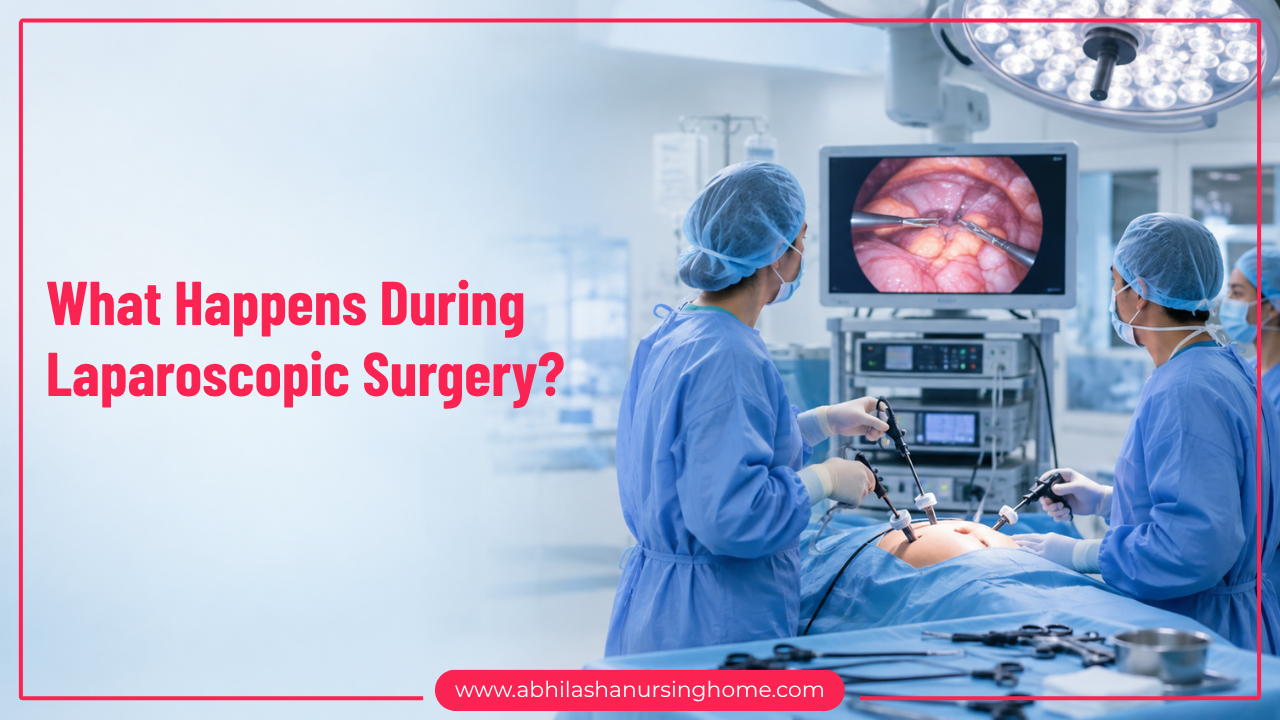
Laparoscopy is commonly performed under general anaesthesia, meaning you are asleep during the procedure.
The surgeon generally:
- Makes a small incision in the abdomen.
- Inserts a laparoscope with a camera.
- Uses carbon dioxide gas to create space inside the abdomen.
- Examines the internal organs through the camera.
- Makes additional small incisions if surgical instruments are needed.
- Performs the planned diagnostic or surgical procedure.
- Removes the instruments and closes the incisions.
The exact steps depend on the type of laparoscopy being performed.
Is Laparoscopy Less Serious Than Open Surgery?
Laparoscopy uses smaller incisions than traditional open abdominal surgery and may offer several advantages for suitable patients.
Depending on the procedure, these may include:
- Smaller incisions
- Less visible scarring
- Less incision-related discomfort
- Earlier mobility
- Shorter hospital stay in many cases
- Faster return to routine activities for some patients
However, laparoscopic surgery is still real surgery and should not be considered risk-free simply because the incisions are small.
How Long Does It Take to Recover From Laparoscopy?
Recovery varies significantly depending on the type and complexity of the procedure.
After a straightforward diagnostic procedure, some patients may return to normal activities relatively quickly. More extensive laparoscopic surgeries may require several weeks for complete recovery.
Your doctor will provide specific instructions regarding:
- Rest and physical activity
- Wound care
- Medicines
- Returning to work
- Exercise and heavy lifting
- Sexual activity
- Follow-up appointments
Following these instructions is an important part of recovery.
Is Laparoscopy Painful?
You should not feel pain during the procedure because anaesthesia is used.
After surgery, temporary discomfort may occur. Some patients experience abdominal soreness, incision tenderness, bloating, shoulder-tip discomfort, nausea, or tiredness.
The level of discomfort varies depending on the procedure and individual recovery. Your doctor can recommend appropriate pain management if needed.
What Are the Risks of Laparoscopy?
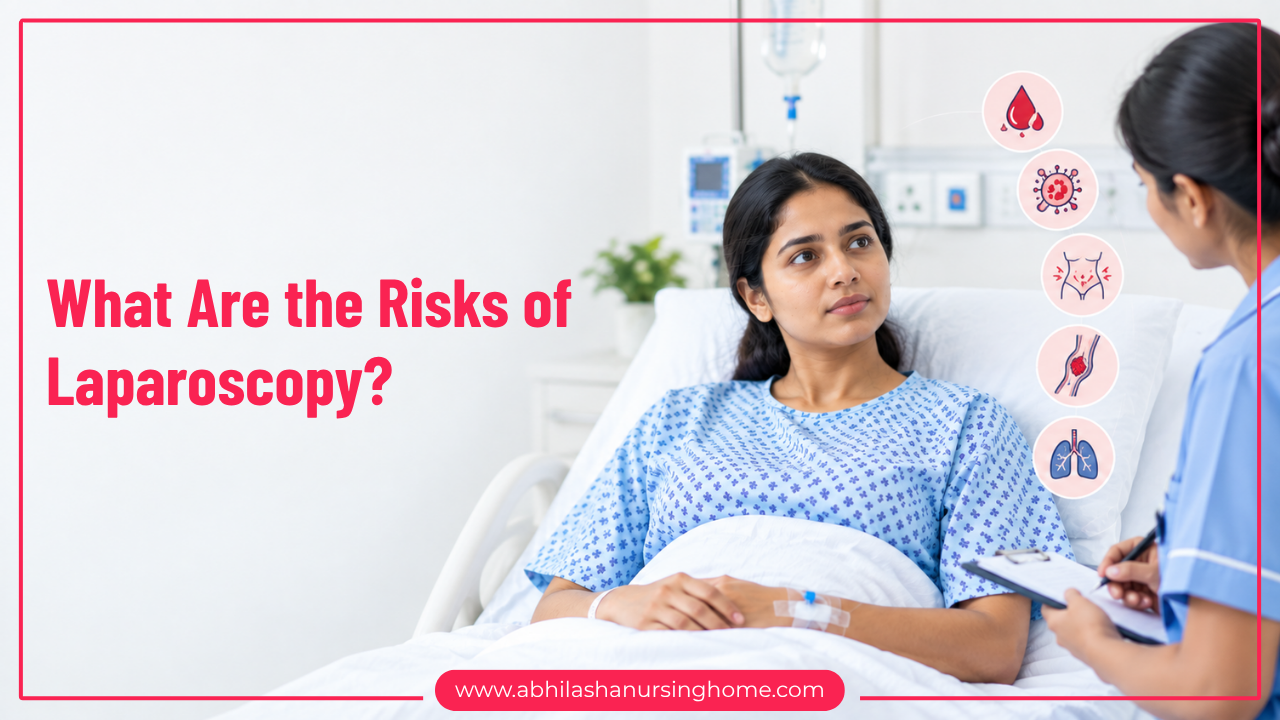
Like any surgical procedure, laparoscopy has potential risks. These may include bleeding, infection, complications related to anaesthesia, blood clots, or injury to nearby organs or blood vessels.
In some situations, the surgeon may need to change from laparoscopic surgery to open surgery if this is considered safer or necessary to complete the procedure.
Your surgeon will discuss the relevant risks and benefits with you before surgery.
When Should You Contact Your Doctor After Laparoscopy?
Some discomfort after surgery can be expected, but contact your doctor if you experience:
- Severe or worsening abdominal pain
- Heavy bleeding
- Fever or chills
- Persistent vomiting
- Increasing redness, swelling, or discharge from an incision
- Difficulty breathing
- Severe dizziness or fainting
Prompt medical evaluation can help identify complications and ensure appropriate treatment.
Contact Abhilasha Nursing Home if you are looking for a Maternity Hospital in Agra.
FAQs About Laparoscopy
Q 1. Is laparoscopy considered major surgery?
Laparoscopy is a minimally invasive surgical approach, but the seriousness of the surgery depends on the procedure being performed. A diagnostic laparoscopy may be less extensive than a complex laparoscopic operation.
Q 2. How long do you stay in the hospital after laparoscopy?
The hospital stay depends on the type of surgery and your recovery. Some laparoscopic procedures may be performed as day-care surgery, while more complex procedures may require an overnight or longer stay.
Q 3. How long does laparoscopic surgery take?
The duration varies depending on the procedure. A simple diagnostic laparoscopy may take less time than a complex surgical procedure.
Q 4. Can I walk after a laparoscopy?
Gentle movement and walking may be encouraged when your doctor considers it appropriate. Strenuous activity and heavy lifting should be avoided until you receive medical clearance.
Final Thoughts: Laparoscopy a Major Surgery
So, is laparoscopy a major surgery? The answer depends on the type of procedure being performed. Laparoscopy is a minimally invasive surgical approach that uses small incisions, but some laparoscopic procedures can still be complex and require significant recovery.
If your doctor has recommended laparoscopy, ask about the specific procedure, why it is needed, expected recovery time, possible risks, and available alternatives. Understanding what to expect can help you feel more prepared for surgery.
At Abhilasha Nursing Home, Agra, patients can consult a gynaecologist to understand their condition and receive guidance about appropriate surgical and non-surgical treatment options.
Disclaimer: This article is intended for general informational purposes only and should not replace professional medical advice, diagnosis, or treatment. The complexity, risks, hospital stay, and recovery period associated with laparoscopy vary depending on the individual patient and the procedure performed. Always follow the advice of your treating doctor.