
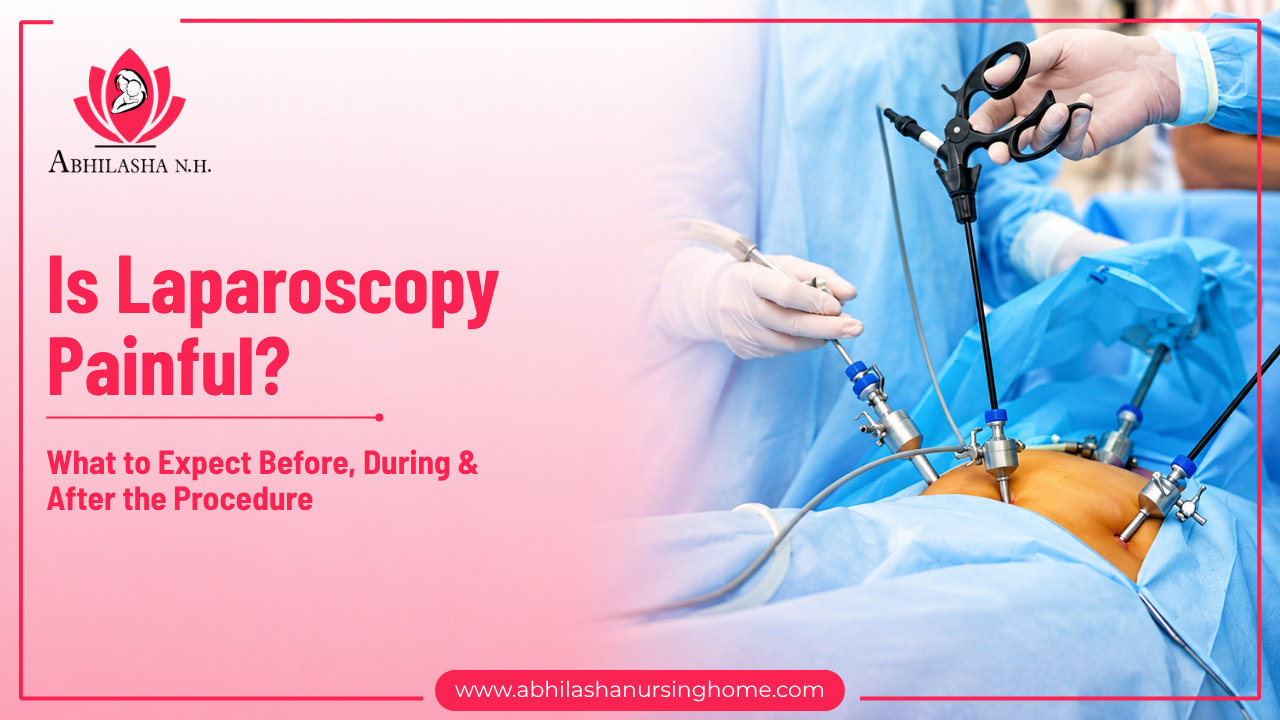
If your doctor has recommended laparoscopy, it is natural to wonder, “Is laparoscopy painful?” Many patients feel anxious about pain, the surgical procedure, and recovery.
Laparoscopy is a minimally invasive surgical procedure performed through small incisions. Because anesthesia is used during the procedure, you should not feel pain while the surgery is being performed. However, some soreness, bloating, or discomfort can occur after the procedure as your body heals.
Is Laparoscopy Painful During the Procedure?
Usually, laparoscopy is not painful during the surgery because the procedure is performed under anesthesia. In many cases, general anesthesia is used, which means you will be asleep during the operation.
The surgeon makes small incisions, usually in the abdomen, and inserts a thin instrument called a laparoscope to view the internal organs. Depending on the reason for the surgery, additional small instruments may be used to perform the required treatment.
Since you are under anesthesia, you should not feel the surgical procedure itself.
What Does Laparoscopy Feel Like After Surgery?
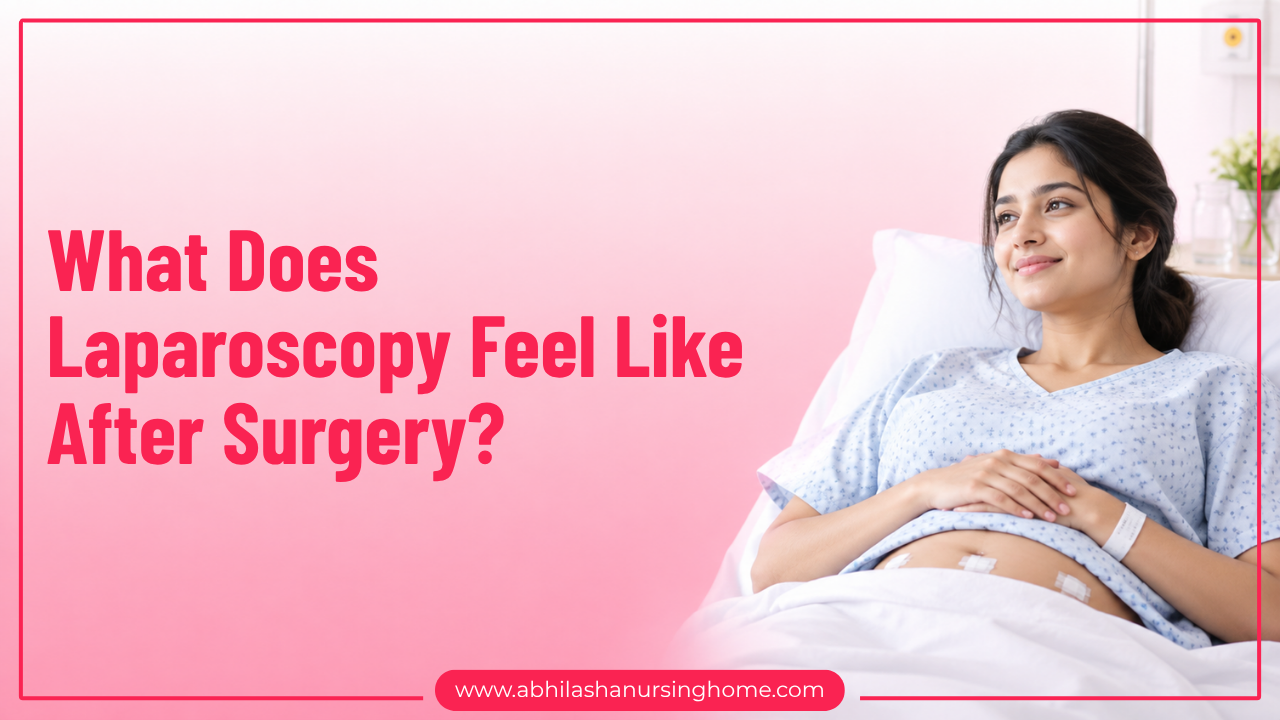
After the effects of anesthesia wear off, you may experience some temporary discomfort. Common sensations can include:
- Mild to moderate abdominal soreness
- Tenderness around the small incisions
- Bloating or a feeling of fullness
- Shoulder-tip pain caused by the gas used during the procedure
- Mild nausea or tiredness
The level of discomfort varies from person to person and also depends on the type of laparoscopic procedure performed.
For most patients, these symptoms gradually improve as recovery progresses.
How Is Pain Managed After Laparoscopy?
Your doctor may recommend or prescribe pain-relieving medication based on your procedure and individual needs.
You can also support your recovery by:
- Taking adequate rest
- Following your doctor’s instructions
- Taking short, gentle walks when advised
- Keeping the incision areas clean and dry as instructed
- Drinking enough fluids
- Avoiding strenuous activities until your doctor says it is safe
Do not take additional medicines without discussing them with your doctor, especially during the recovery period.
How Long Does Pain Last After Laparoscopy?
Post-operative discomfort is generally temporary, but the recovery period can vary depending on the type of surgery, your overall health, and how your body heals.
Some patients feel significantly better within a few days, while others may need longer to fully recover. Your doctor will guide you about when you can return to normal activities, work, exercise, and other routines.
When Should You Contact Your Doctor?
Mild discomfort can be expected after surgery, but severe or worsening symptoms should not be ignored.
Contact your doctor promptly if you experience:
- Severe or increasing abdominal pain
- Heavy bleeding
- Persistent vomiting
- Fever or chills
- Increasing redness, swelling, or discharge from an incision
- Difficulty breathing
- Severe weakness, dizziness, or fainting
These symptoms may require medical evaluation.
FAQs About Laparoscopy
Q 1. Is laparoscopy more painful than open surgery?
Laparoscopy uses smaller incisions than traditional open surgery. This can mean less incision-related discomfort and a shorter recovery for many patients, although pain and recovery vary depending on the procedure and individual health.
Q 2. How many days does it take to recover from laparoscopy?
Recovery depends on the type of laparoscopic surgery performed. Your doctor will provide specific guidance based on your procedure and overall health.
Q 3. Why does my shoulder hurt after laparoscopy?
Shoulder-tip discomfort can occur because carbon dioxide gas used during the procedure may temporarily irritate the diaphragm. It usually improves as the gas is absorbed and cleared from the body.
Q 4. Can I walk after a laparoscopy?
Gentle movement and short walks are often encouraged when your doctor considers them appropriate. However, strenuous exercise and heavy lifting should be avoided until you receive medical clearance.
Final Thoughts: Is Laparoscopy Painful?
So, is laparoscopy painful? You should not feel pain during the procedure because anesthesia is used. Some soreness, bloating, or temporary discomfort after surgery is possible, but your doctor can guide you on appropriate pain management and recovery.
If you have been advised to undergo laparoscopy and are concerned about pain or recovery, discuss your questions openly with your gynaecologist. Understanding what to expect can make the experience less stressful and help you prepare for a smoother recovery.
At Abhilasha Nursing Home, Agra, patients can discuss their concerns and treatment options with a qualified gynaecologist before undergoing laparoscopic procedures.
Disclaimer: This article is intended for general informational purposes only and should not replace professional medical advice, diagnosis, or treatment. Your recovery and pain experience may vary depending on your individual condition and the type of procedure performed. Always follow your doctor’s specific instructions.