
Pregnancy can begin before you even realize it. In the days after ovulation, your body may already be going through hormonal changes, even though your period is still several days away.
This can leave you wondering:
“Could I be pregnant?”
“Can pregnancy symptoms start before my missed period?”
“Are these cramps a sign of pregnancy or PMS?”
“When should I take a pregnancy test?”
Some women notice subtle changes before their expected period, while others experience no symptoms at all. Since many early pregnancy symptoms are similar to premenstrual syndrome (PMS), it can be difficult to know what your body is trying to tell you.
In this guide, we’ll explain the most common early pregnancy symptoms before a missed period, when they may appear, how they compare with PMS, and when you should take a pregnancy test.
Important: Pregnancy symptoms alone cannot confirm pregnancy. A pregnancy test is the most practical way to check for pregnancy, and your gynecologist can provide further confirmation and guidance when needed.
What Are Early Pregnancy Symptoms Before a Missed Period?
Early pregnancy symptoms are changes that may occur after conception as your body begins adapting to pregnancy.
After an egg is fertilized, it travels toward the uterus and eventually attaches to the uterine lining. This process is called implantation. Following implantation, the body begins producing increasing amounts of human chorionic gonadotropin (hCG), a hormone detected by pregnancy tests.
Hormonal changes can contribute to symptoms such as:
- Breast tenderness
- Fatigue
- Mild abdominal cramps
- Bloating
- Mood changes
- Increased vaginal discharge
- Nausea
- Changes in appetite
- Increased sensitivity to smells
- Frequent urination
However, not every woman experiences these symptoms, and experiencing them does not necessarily mean you are pregnant.
When Can Early Pregnancy Symptoms Start?
Pregnancy symptoms do not usually appear immediately after intercourse or conception.
After ovulation, fertilization can occur if sperm and egg meet. The fertilized egg then travels toward the uterus, where implantation occurs several days later. Pregnancy-related hormonal changes become more noticeable after implantation.
Some women may notice subtle symptoms in the days before their expected period, while others may not notice anything until after their period is missed.
The timing varies from person to person because menstrual cycles, ovulation timing, implantation, and individual sensitivity to hormonal changes are different.
Early Pregnancy Symptoms Before a Missed Period
1. Mild Lower Abdominal Cramping
Mild cramping can sometimes occur during early pregnancy.
You may experience a sensation similar to mild period cramps. This can be related to hormonal changes and changes occurring in the uterus.
Pregnancy-related cramping is generally mild and temporary.
However, cramps are also very common before menstruation, so they cannot confirm pregnancy on their own.
Severe, persistent, or worsening abdominal pain should always be evaluated by a healthcare professional.
2. Breast Tenderness or Soreness
Breast changes can occur early in pregnancy because of hormonal fluctuations.
You may notice that your breasts feel:
- Tender
- Fuller
- Heavier
- Swollen
- More sensitive than usual
The nipples may also feel more sensitive.
However, breast tenderness is also a common PMS symptom. Therefore, it is best considered alongside other symptoms rather than as a definite sign of pregnancy.
3. Feeling More Tired Than Usual
Unusual fatigue is one of the symptoms some women notice early in pregnancy.
You may feel exhausted even after getting enough sleep or find yourself needing more rest during the day.
Hormonal changes, particularly rising progesterone levels, can contribute to tiredness.
However, fatigue can also result from stress, lack of sleep, illness, or other causes.
4. Increased Vaginal Discharge
Some women notice more vaginal discharge during early pregnancy.
Normal pregnancy-related discharge, often called leukorrhea, is generally:
- Clear or milky white
- Thin or creamy
- Mild-smelling or odorless
- Not accompanied by itching or burning
An increase in discharge can occur because of hormonal changes and increased blood flow to the vaginal area.
However, white discharge before a missed period is not a reliable way to confirm pregnancy.
If discharge becomes yellow, green, gray, foul-smelling, or is accompanied by itching or burning, speak with your healthcare provider.
5. Bloating
Feeling unusually bloated can occur during early pregnancy.
Hormonal changes can affect digestion and may cause:
- Gas
- Abdominal fullness
- Bloating
- A feeling of heaviness
Unfortunately, bloating is also common before a period, making it difficult to distinguish pregnancy from PMS based on this symptom alone.
6. Mood Changes
You may notice unexpected emotional changes during early pregnancy.
For example, you may feel:
- More emotional
- Irritable
- Tearful
- Anxious
- More sensitive than usual
Hormonal changes can influence mood, but PMS can cause similar emotional changes.
If you are experiencing significant or persistent emotional distress, speak with your healthcare provider.
7. Nausea
Nausea is commonly associated with pregnancy, but it does not necessarily begin before a missed period.
Some women may experience nausea early, while many notice it later in the first trimester.
Despite being commonly called morning sickness, nausea can happen at any time of day.
If vomiting becomes persistent and you cannot keep fluids down, contact your doctor.
8. Increased Sensitivity to Smells
Some women report that certain smells become stronger or suddenly unpleasant during early pregnancy.
You may find yourself avoiding:
- Perfumes
- Cooking smells
- Coffee
- Certain foods
- Smoke
Changes in smell sensitivity can occur during pregnancy, although they can also happen for other reasons.
9. Food Cravings or Food Aversions
Sudden changes in food preferences may occur during pregnancy.
You might:
- Crave a particular food
- Lose interest in foods you usually enjoy
- Find certain smells unpleasant
- Prefer different flavors
Food cravings and aversions can occur during pregnancy, but they are not specific enough to confirm pregnancy.
10. Headaches
Hormonal changes, fatigue, dehydration, stress, and changes in eating patterns may contribute to headaches.
If you think you may be pregnant, do not start or stop medication without discussing it with your healthcare provider.
A severe or persistent headache, particularly if accompanied by other concerning symptoms, should be medically evaluated.
11. Frequent Urination
Some women notice that they need to urinate more often during early pregnancy.
Hormonal changes and increased blood flow to the kidneys can contribute to increased urination.
However, frequent urination can also occur because of increased fluid intake or a urinary tract infection.
If you have burning or pain while urinating, fever, or pelvic discomfort, contact your healthcare provider.
12. Mild Dizziness or Lightheadedness
Hormonal changes can sometimes contribute to mild dizziness during early pregnancy.
Other factors such as dehydration, low blood sugar, fatigue, or standing up quickly can also cause lightheadedness.
Sit or lie down if you feel dizzy and make sure you stay hydrated.
If you experience severe or repeated dizziness, fainting, or dizziness accompanied by bleeding or pain, seek medical attention.
13. Mild Lower Backache
Some women experience mild lower back discomfort during early pregnancy.
Hormonal changes may affect the tissues and ligaments around the pelvis.
However, lower backache is also common before menstruation, so it is not a reliable pregnancy indicator by itself.
14. Metallic Taste in the Mouth
A strange metallic or bitter taste is sometimes reported during early pregnancy.
You may notice that certain foods taste different or that you have a persistent unusual taste in your mouth.
This symptom is not experienced by everyone and can have causes other than pregnancy.
15. Feeling Different Than Usual
Sometimes, there is no single obvious symptom.
You may simply feel that something is different. Perhaps you’re more tired, your breasts feel unusual, or you have noticed changes in your appetite or discharge.
These subtle changes can occur during early pregnancy, but they can also occur during the normal menstrual cycle.
The only way to know for sure is through pregnancy testing.
Early Pregnancy Symptoms vs PMS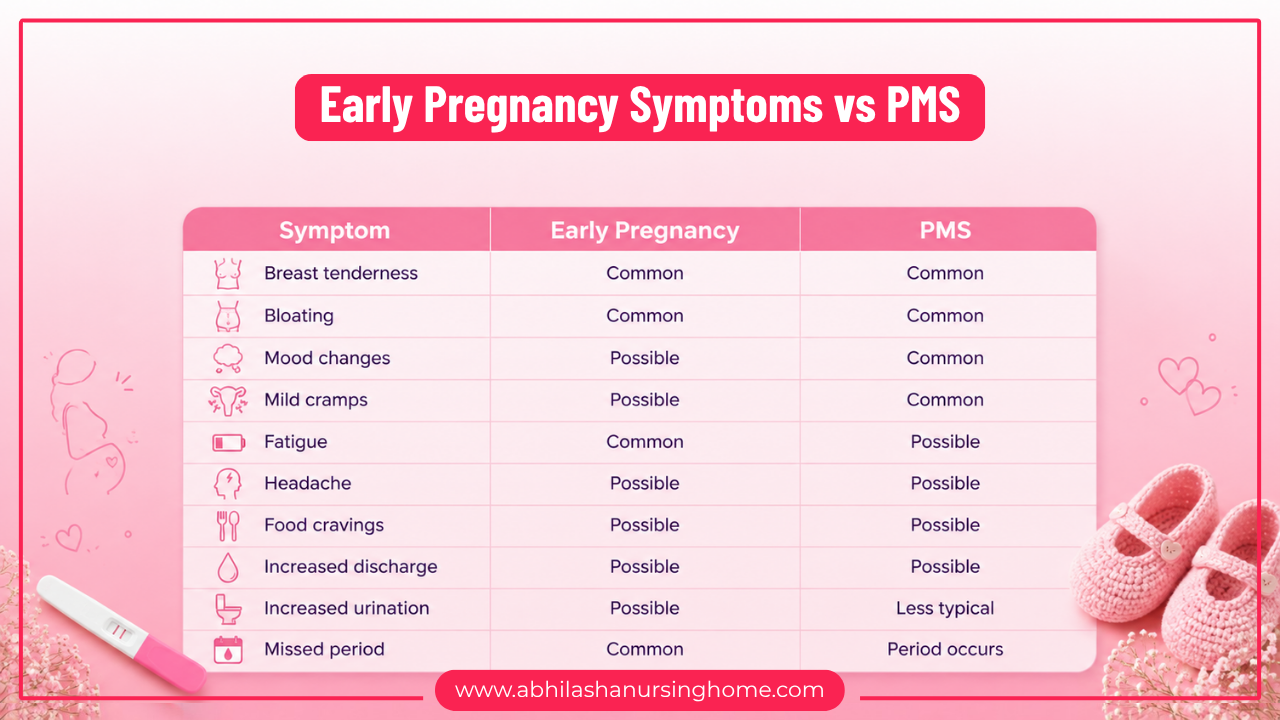
One of the biggest challenges in identifying early pregnancy is that many symptoms are similar to PMS.
| Early Pregnancy | Early Pregnancy | PMS |
| Common | Common | Common |
| Common | Common | Common |
| Possible | Possible | Common |
| Possible | Possible | Common |
| Common | Common | Possible |
| Possible | Possible | Possible |
| Possible | Possible | Possible |
| Possible | Possible | Possible |
| Possible | Possible | Less typical |
| Common | Common | Period occurs |
Because of this overlap, you cannot reliably diagnose pregnancy based only on symptoms.
Can You Have Pregnancy Symptoms Before a Positive Pregnancy Test?
Yes, it is possible.
Some women may notice symptoms before a home pregnancy test becomes positive. This is because pregnancy symptoms can begin around the time hormone levels start increasing, while hCG levels in urine may still be too low for a test to detect.
Testing very early can therefore result in a false-negative result.
If your test is negative but your period does not arrive, consider repeating the test after a few days according to the test manufacturer’s instructions.
When Should You Take a Pregnancy Test?
A home pregnancy test is generally most reliable from the day your period is due or after you have missed it.
Some tests claim to detect pregnancy earlier, but testing before the expected period can be less reliable.
For the most accurate result:
- Follow the instructions provided with the test.
- Check the test within the recommended time frame.
- Avoid testing too early if possible.
- If the result is negative but your period remains absent, repeat the test after a few days.
If you need further confirmation, your gynecologist can advise whether additional testing is appropriate.
What If Your Pregnancy Test Is Negative but Your Period Is Late?
A negative pregnancy test does not always rule out pregnancy if you tested too early.
Possible reasons include:
- Ovulation occurred later than expected.
- Implantation occurred later.
- The test was taken before sufficient hCG had accumulated.
- Urine was too diluted.
- The test was not used according to the instructions.
If your period remains absent, repeat the test after a few days.
If you continue to have a delayed period or are unsure about your results, consult your gynecologist.
White Discharge Before a Missed Period: Is It a Pregnancy Sign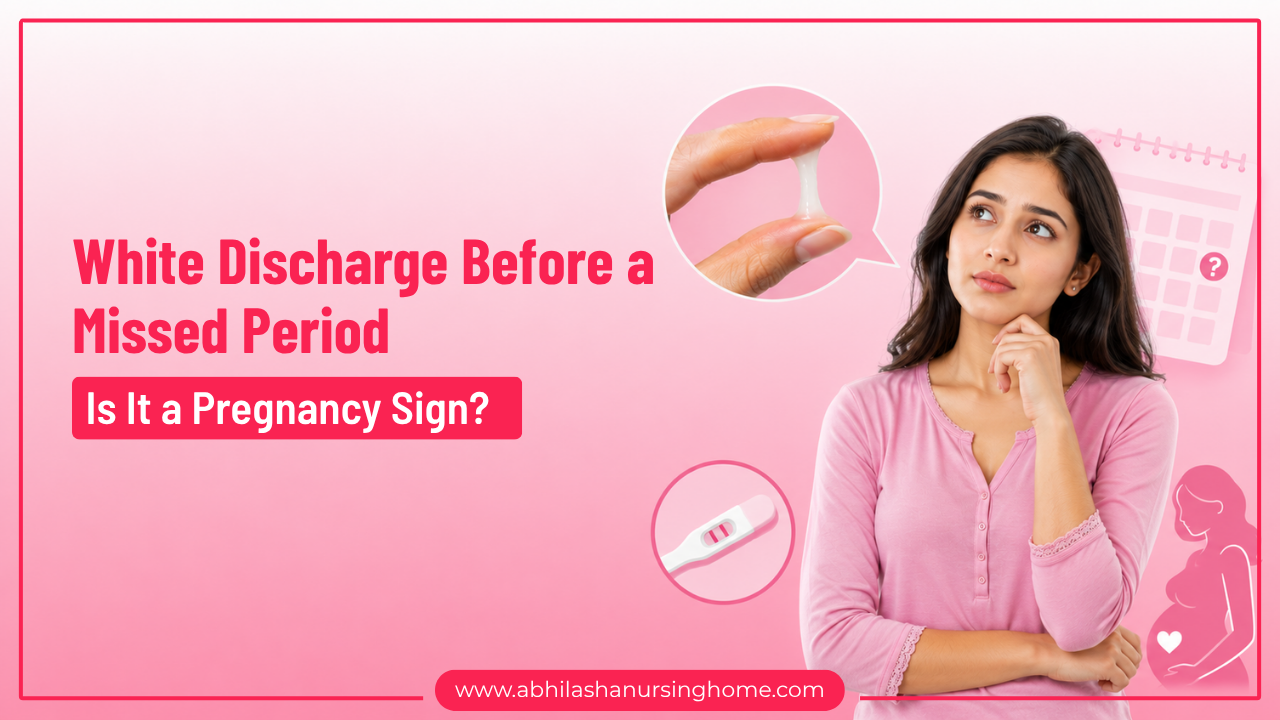
An increase in clear or milky-white vaginal discharge can occur during early pregnancy.
However, white discharge before a missed period does not necessarily mean you are pregnant. Vaginal discharge naturally changes throughout the menstrual cycle.
- Normal discharge is generally:
- Clear or milky white
- Mild-smelling or odorless
- Creamy or thin
- Not associated with itching or burning
Discharge that is foul-smelling, yellow, green, gray, or associated with irritation may indicate an infection and should be evaluated by a healthcare professional.
What Should You Do If You Think You May Be Pregnant?
If you think you may be pregnant, a few simple steps can help you take care of yourself.
Take a pregnancy test
Wait until your expected period or follow the instructions for an early-detection test.
Start following healthy pregnancy habits
If pregnancy is possible, avoid alcohol, smoking, tobacco, and recreational drugs.
Review your medications
Do not stop prescribed medication on your own. Ask your doctor whether your current medicines are suitable during pregnancy.
Take folic acid as advised
If you are planning pregnancy or pregnancy is possible, discuss folic acid supplementation with your healthcare provider.
Schedule prenatal care
If your pregnancy test is positive, contact your gynecologist to discuss your first prenatal appointment and recommended care.
When Should You See a Doctor?
Most early pregnancy symptoms are not emergencies. However, certain symptoms should not be ignored.
Seek prompt medical attention if you experience:
- Heavy vaginal bleeding
- Severe or persistent abdominal pain
- Fainting
- Severe dizziness
- Shoulder-tip pain with abdominal pain or bleeding
- High fever
- Persistent vomiting
- Difficulty breathing
If you are worried about any symptom during a possible or confirmed pregnancy, it is always appropriate to seek professional medical advice.
Frequently Asked Questions
Q 1. What are the earliest pregnancy symptoms before a missed period?
Some women may notice fatigue, breast tenderness, mild cramping, bloating, increased vaginal discharge, mood changes, nausea, or changes in appetite. However, these symptoms can also occur before a period.
Q 2. Can you feel pregnant before a missed period?
Some women notice changes before their expected period, while others experience no symptoms. There is no specific feeling that can confirm pregnancy.
Q 3. How early can pregnancy symptoms start?
Symptoms can become noticeable after implantation as pregnancy hormones begin rising. Some women notice symptoms before their expected period, while others do not experience symptoms until later.
Q 4. Is white discharge before a missed period a sign of pregnancy?
It can occur during early pregnancy, but it is not a reliable pregnancy indicator. Normal vaginal discharge also changes throughout the menstrual cycle.
Q 5. Can you have cramps and still be pregnant?
Yes. Mild cramping can occur during early pregnancy. Severe, persistent, or worsening pain—particularly with bleeding—requires medical evaluation.
Q 6. Can a pregnancy test be negative before a missed period?
Yes. Testing too early can result in a false-negative result because hCG levels may not yet be high enough for the test to detect.
Q 7. Do all women experience early pregnancy symptoms?
No. Every pregnancy is different. Some women experience several symptoms, while others have very few or none.
Q 8. What is the most reliable way to confirm pregnancy?
A properly timed pregnancy test is usually the first step. Your healthcare provider can recommend additional testing when necessary.
Key Takeaways
- Early pregnancy symptoms before a missed period can occur, but they vary from woman to woman.
- Common symptoms include fatigue, breast tenderness, mild cramps, bloating, mood changes, nausea, and increased vaginal discharge.
- Many early pregnancy symptoms are similar to PMS.
- Symptoms alone cannot confirm pregnancy.
- Taking a pregnancy test around the expected period is generally more reliable than testing very early.
- A negative test may need to be repeated if your period remains absent.
- Avoid alcohol, smoking, tobacco, and recreational drugs if pregnancy is possible.
- Seek medical attention for severe pain, heavy bleeding, fainting, or other concerning symptoms.
Final Thoughts For Early Symptoms Before A Missed Period
Waiting for your period while wondering whether you might be pregnant can be an emotional experience. Every small change-feeling unusually tired, noticing breast tenderness, experiencing mild cramps, or seeing more discharge—can make you wonder whether it is an early pregnancy sign.
The important thing to remember is that early pregnancy symptoms before a missed period are different for everyone. Some women notice several changes, while others feel completely normal. Because early pregnancy symptoms can closely resemble PMS, it is not possible to confirm pregnancy based on symptoms alone.
If you think you may be pregnant, take a pregnancy test at the appropriate time and consult your gynecologist for guidance. Once pregnancy is confirmed, starting prenatal care early can help you understand your changing body and support a healthy pregnancy.
At Abhilasha Nursing Home, our experienced gynecology and maternity team provides personalized pregnancy care, prenatal guidance, diagnostic services, and support throughout your pregnancy journey.
Listen to your body, take care of yourself, and don’t hesitate to seek professional guidance when you have questions or concerns.
Disclaimer: This article is intended for informational and educational purposes only and should not replace professional medical advice, diagnosis, or treatment. Pregnancy symptoms vary from person to person, and symptoms alone cannot confirm pregnancy. Always consult a qualified gynecologist or healthcare provider for advice specific to your health and pregnancy. If you experience severe abdominal pain, heavy bleeding, fainting, or other concerning symptoms, seek medical attention promptly.