
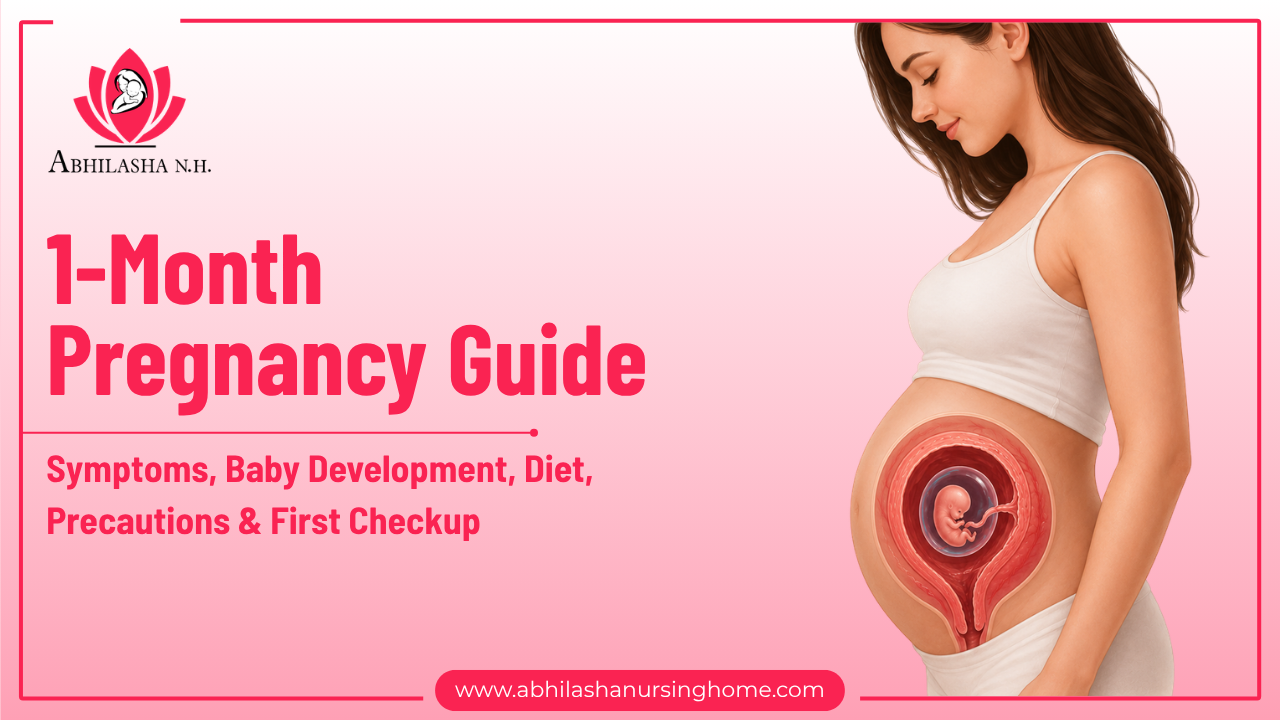
1 month pregnancy: Seeing a positive pregnancy test for the first time can bring a whirlwind of emotions. You may feel excited, surprised, nervous, or even a little overwhelmed all at the same time. Along with the happiness, there are usually plenty of questions running through your mind.
“Am I really pregnant?”
“Why am I feeling so tired?”
“Are these cramps normal?”
“What should I eat now?”
If these questions sound familiar, you’re not alone. Almost every woman experiences uncertainty during the first month of pregnancy. The good news is that most of the changes you’re noticing are completely normal and are signs that your body is beginning an incredible journey.
In this guide, we’ll walk you through everything you need to know about the first month of pregnancy from early pregnancy signs and baby development to diet, supplements, precautions, and when to schedule your first pregnancy checkup.
What Happens During the First Month of Pregnancy?
One of the biggest surprises for many women is that a lot happens before they even realize they’re pregnant.
The first month of pregnancy is calculated from the first day of your last menstrual period. By the time you miss your period and see those two lines on a pregnancy test, your body has already started preparing for your baby’s growth.
During these early weeks, the fertilized egg travels to the uterus and attaches itself to the uterine lining. This process is called implantation. At the same time, pregnancy hormones begin increasing rapidly, triggering many of the symptoms women experience during early pregnancy.
Although your baby is still incredibly tiny, important structures that will later develop into the brain, spinal cord, and heart are already beginning to form.
Week-by-Week: What’s Happening During the 1 Month Pregnancy?
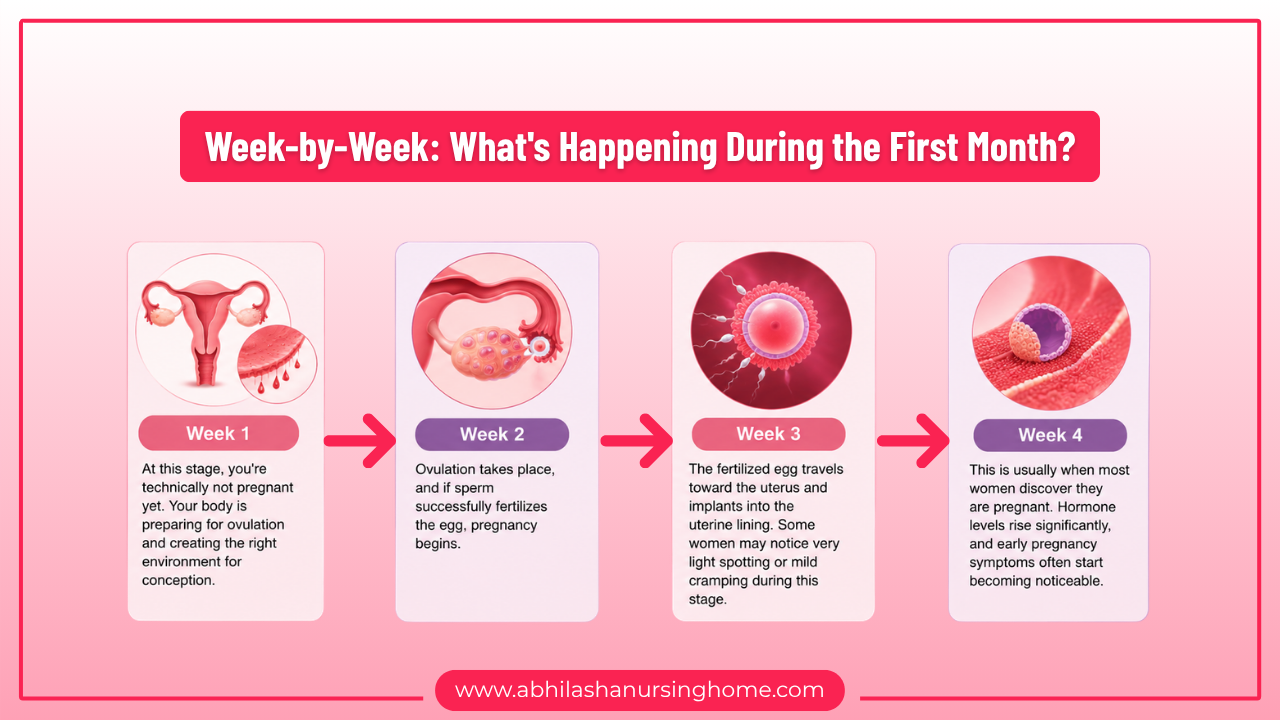
Understanding what is happening inside your body can make the first month feel a little less confusing.
Week 1
At this stage, you’re technically not pregnant yet. Your body is preparing for ovulation and creating the right environment for conception.
Week 2
Ovulation takes place, and if sperm successfully fertilizes the egg, pregnancy begins.
Week 3
The fertilized egg travels toward the uterus and implants into the uterine lining. Some women may notice very light spotting or mild cramping during this stage.
Week 4
This is usually when most women discover they are pregnant. Hormone levels rise significantly, and early pregnancy symptoms often start becoming noticeable.
Early Pregnancy Signs: What Symptoms Can You Expect?
Every pregnancy is different. Some women notice symptoms almost immediately, while others may not feel very different at all.
If you’re wondering whether what you’re experiencing is normal, here are some of the most common 1 month pregnancy symptoms.
Missed Period
For many women, a missed period is the first clue that they might be pregnant. If your cycle is usually regular and your period doesn’t arrive, taking a pregnancy test is a good next step.
Feeling More Tired Than Usual
Have you been feeling exhausted even after getting enough sleep?
This is one of the most common first month pregnancy symptoms. Your body is working hard behind the scenes, and rising progesterone levels can make you feel unusually tired.
Breast Tenderness
You may notice that your breasts feel sore, swollen, heavier, or more sensitive than usual. These changes are caused by hormonal fluctuations and are completely normal.
Nausea or Morning Sickness
Although many people associate morning sickness with later pregnancy, some women begin feeling nauseous during the first month itself.
Frequent Urination
You may find yourself making more trips to the bathroom than usual. Increased blood flow and hormonal changes are often responsible.
Mood Swings
If you’ve been feeling emotional, don’t be too hard on yourself. Pregnancy hormones can affect your mood, making you feel happy one moment and tearful the next.
Food Cravings or Food Aversions
Suddenly loving certain foods or being unable to tolerate foods you previously enjoyed is another common early pregnancy sign.
Are Mild Cramps During Early Pregnancy Normal?
This is one of the most common concerns women have.
If you’ve noticed mild cramping, there’s usually no need to panic.
During early pregnancy, your uterus begins adjusting to the growing pregnancy. Implantation can also cause mild cramping.
However, it’s important to pay attention to the intensity of the pain.
Mild discomfort that comes and goes is usually normal. Severe or persistent pain, especially if accompanied by heavy bleeding, should be evaluated by a doctor.
Spotting During Early Pregnancy: Should You Be Worried?
Seeing even a small amount of blood can be frightening when you’re pregnant.
The good news is that light spotting during early pregnancy is usually normal and is often not a cause for concern. It commonly occurs when the fertilized egg attaches itself to the lining of the uterus, a process known as implantation.
Implantation spotting is usually:
- Light pink or brown
- Very light in flow
- Short-lasting
However, if the bleeding becomes heavy, bright red, or is accompanied by severe pain, you should contact your gynecologist immediately.
How Is Your Baby Developing During Month 1?
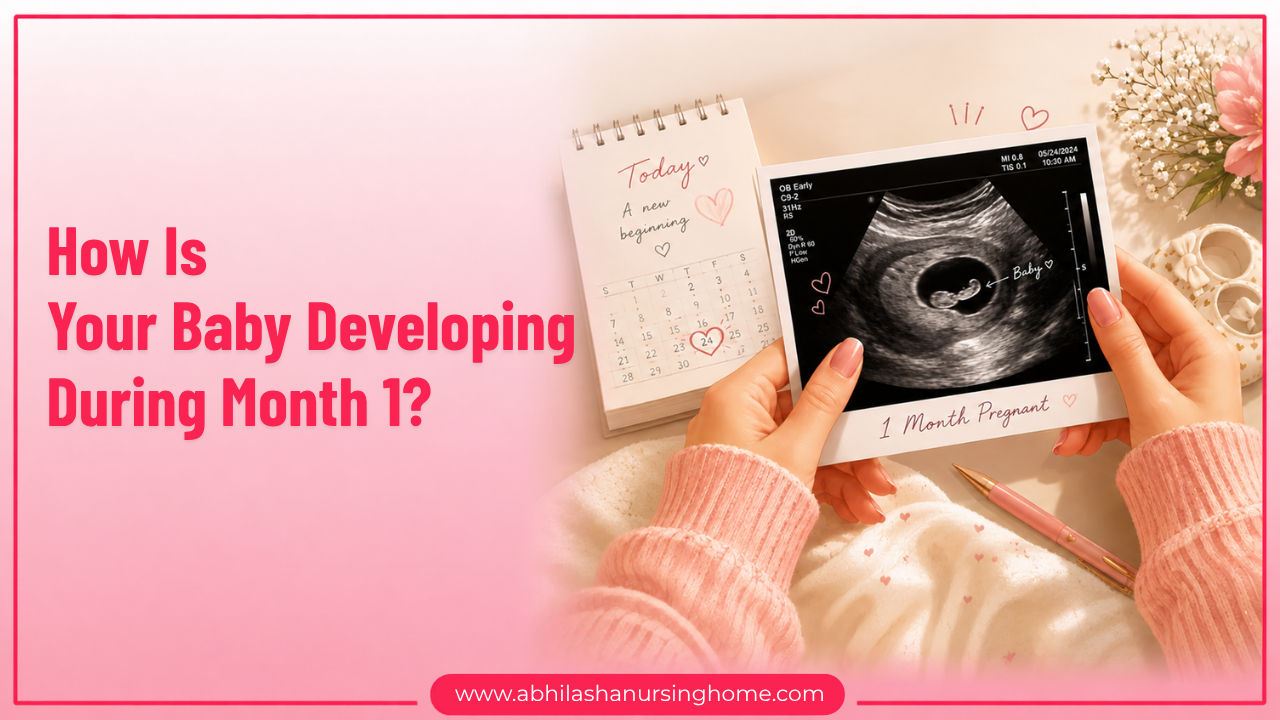
Even though your baby is only about the size of a poppy seed by the end of the first month, some amazing things are already happening.
The earliest structures that will become your baby’s brain and spinal cord begin developing during this stage. The foundations of the heart also start forming, and the placenta begins developing to provide nourishment throughout pregnancy.
This is why early pregnancy care is so important. The choices you make now can support your baby’s healthy development in the weeks ahead.
What Should You Eat During the First Month of Pregnancy?
Many women wonder whether they need to completely change their diet after finding out they’re pregnant.
The answer is simple: focus on eating balanced, nutritious meals rather than following complicated food rules.
A healthy first month pregnancy diet should include:
- Fresh fruits and vegetables
- Whole grains
- Protein-rich foods
- Dairy products
- Nuts and seeds
- Plenty of water
Try not to skip meals, even if you’re experiencing mild nausea.
A Simple Pregnancy Diet Plan:
- Breakfast: Oats, milk, fruit
- Mid-Morning Snack: Nuts and yogurt
- Lunch: Dal, roti, vegetables, salad
- Evening Snack: Fruit or roasted chana
- Dinner: Protein-rich meal with vegetables
Small, frequent meals often help reduce nausea and maintain energy levels.
Visit for more details about: Supplement for a Healthy Prenancy
Why Is Folic Acid So Important?
If there’s one supplement that doctors emphasize during early pregnancy, it’s folic acid.
Folic acid plays a crucial role in the development of your baby’s brain and spinal cord. Taking it early can help reduce the risk of certain birth defects.
Your doctor may also recommend prenatal vitamins containing:
- Iron
- Calcium
- Vitamin D
- Vitamin B12
Always take supplements exactly as prescribed.
When Should You Schedule Your First Pregnancy Checkup?
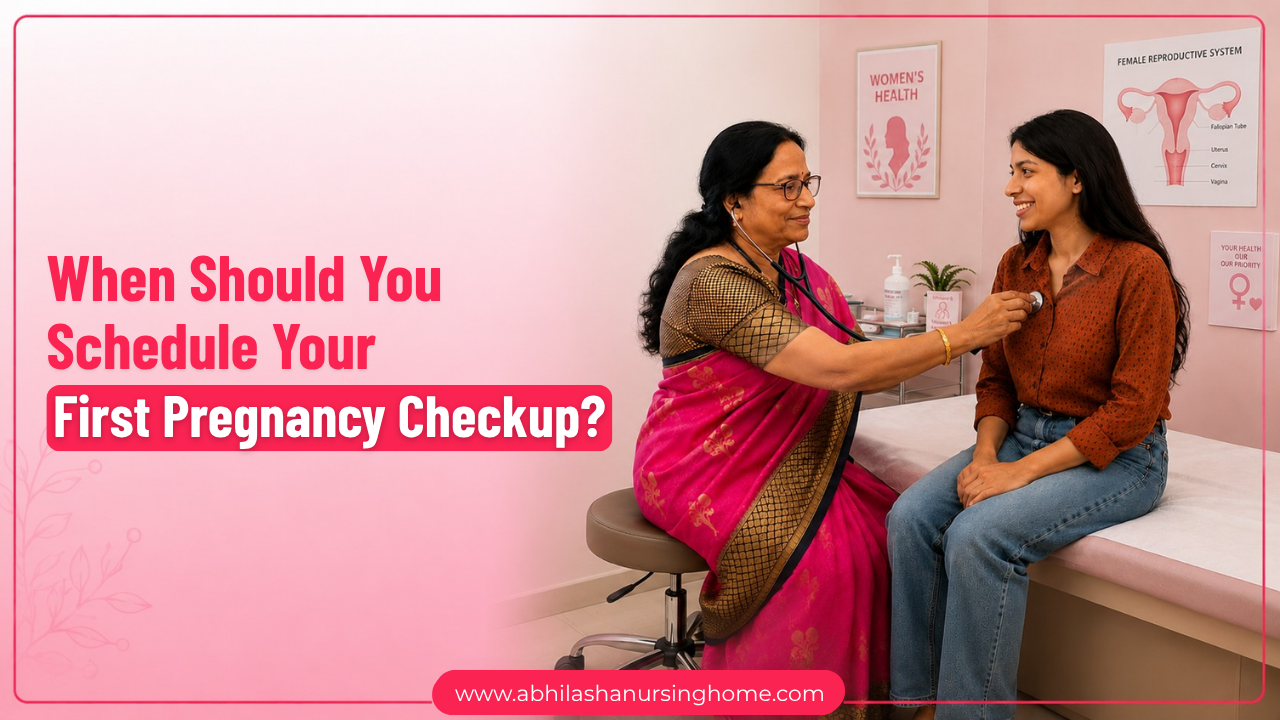
Many women aren’t sure whether they should see a doctor immediately after a positive pregnancy test.
The answer is yes.
Booking your first pregnancy checkup early allows your doctor to confirm the pregnancy, assess your overall health, recommend supplements, and guide you through the next steps.
At Abhilasha Nursing Home, we encourage expectant mothers to seek prenatal care as soon as pregnancy is confirmed. Early guidance can help address concerns and support a healthy pregnancy from the very beginning.
Visit to know: What is the ideal age for first gynecologist visit?
What Tests Are Usually Done During Early Pregnancy?
During your first visit, your doctor may recommend:
- Pregnancy confirmation tests
- Blood tests
- Blood group and Rh factor testing
- Hemoglobin testing
- Blood sugar screening
- Thyroid function tests
- Infection screening
These tests help establish a healthy baseline for your pregnancy journey.
Note: If you’re in Agra or nearby areas, Abhilasha Nursing Home is a trusted choice for comprehensive pregnancy care and all essential early pregnancy tests. Led by Dr. Abhilasha Prakash, a highly experienced Gynecologist & Obstetrician with 32+ years of experience, our team provides accurate diagnosis, personalized prenatal care, and compassionate guidance to help ensure a healthy pregnancy from the very beginning.
Important Precautions During the 1 Month Pregnancy
The first month is a crucial stage of development, so taking a few precautions can make a big difference.
Do:
- Take folic acid regularly
- Stay hydrated
- Get enough rest
- Eat nutritious meals
- Attend prenatal appointments
Avoid:
- Smoking
- Alcohol consumption
- Self-medication
- Heavy lifting
- Excessive caffeine
When in doubt, consult your doctor before making any major lifestyle changes.
Pregnancy Warning Signs You Should Never Ignore
While most early pregnancy symptoms are normal, some require immediate medical attention.
Contact your doctor if you experience:
- Heavy vaginal bleeding
- Severe abdominal pain
- High fever
- Persistent vomiting
- Fainting
- Difficulty breathing
- Severe dizziness
Prompt medical care can help identify and manage complications early.
Frequently Asked Questions
Q 1: Is it normal to feel extremely tired during the first month?
Yes. Fatigue is one of the earliest and most common pregnancy symptoms.
Q 2: Can I travel during the first month of pregnancy?
In most cases, yes. However, it’s best to discuss travel plans with your doctor.
Q 3: Can I continue exercising?
Light exercise is usually safe, but always seek medical advice before starting or continuing a workout routine.
Q 4: Is white discharge normal during pregnancy?
Yes. Mild white discharge is often a normal hormonal response.
Q 5: Can I have sex during early pregnancy?
Most healthy pregnancies allow sexual activity, but it’s always best to discuss your individual situation with your gynecologist.
Q 6: How much water should I drink?
Aim for approximately 8–10 glasses of water daily unless advised otherwise by your doctor.
Final Thoughts: 1 Month Pregnancy
The first month of pregnancy is filled with new experiences, questions, and changes. While it’s natural to feel uncertain at times, understanding what’s happening inside your body can help you approach this journey with greater confidence.
Remember, every pregnancy is unique. Some women experience many symptoms, while others experience very few. Both can be completely normal.
If you’ve recently had a positive pregnancy test or are experiencing early pregnancy signs, don’t hesitate to seek professional guidance. At Abhilasha Nursing Home, our experienced gynecologists Dr. Abhilasha Prakash are dedicated to providing compassionate pregnancy care, expert prenatal guidance, and personalized support to help you enjoy a healthy and safe pregnancy journey.